
This refers to swimmers needing to see a doctor.
Last year Budleigh was the eighth worst location nationally.
Swimmers have already fallen sick at Budleigh this year, according to reports logged by the Surfers Against Sewage waterborne sickness dashboard.
[And not all swimmers falling sick will have logged a report].
This is despite Budleigh’s “excellent” bathing water quality and “seaside award” flag.
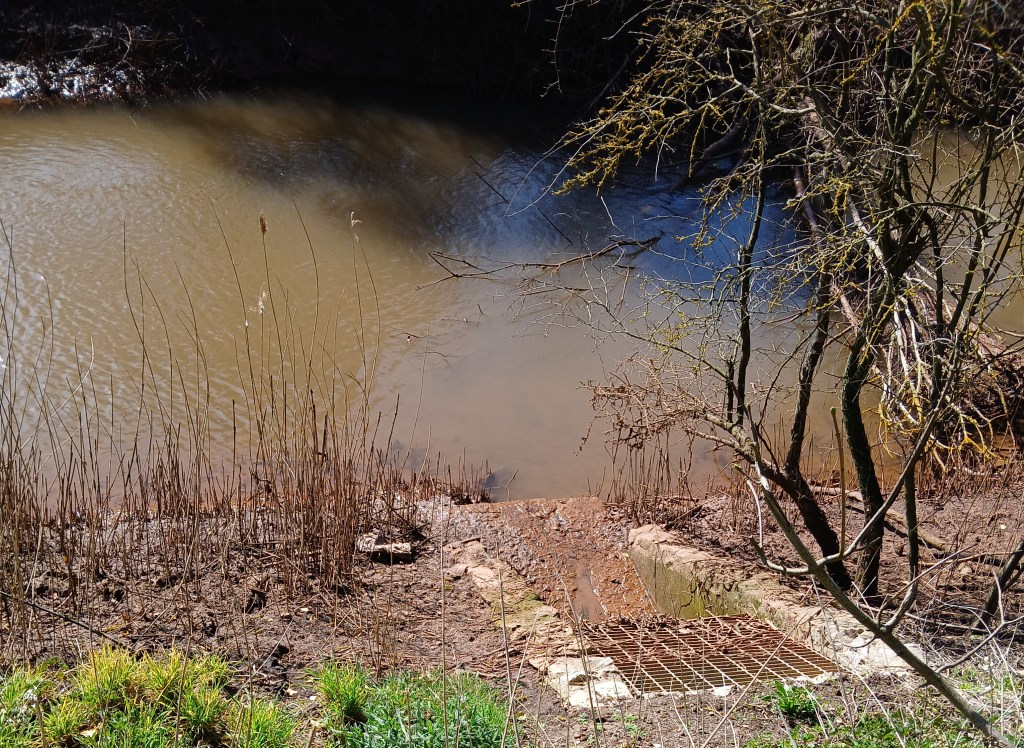
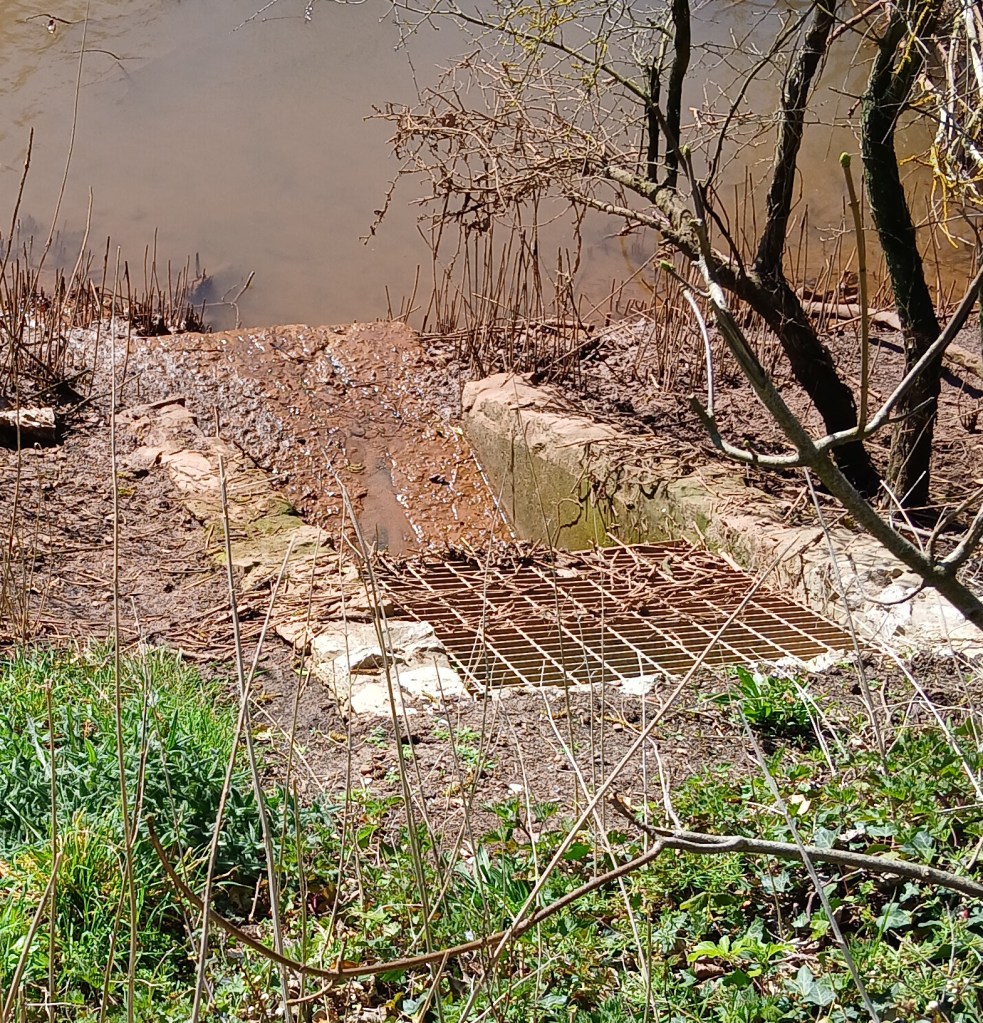
Budleigh correspondents have frequently pointed out to Owl that those parking in the Lime Kiln car park should take a look at the now stagnant Kersbrook at the side of the skateboard park with its dying trees and the clearly visible sewer emergency outfall. These correspondents point out that this water flows into the sea 100m away through a conduit under the road. Its end is visible at low tide.
Sasha Swire, perceptively, once described Simon Jupp, now a member Pennon Group’s PR team, as “Jumping Jupp Flash”. (Pennon Group is the parent company of SWW).
So, come on Simon tell the people of Budleigh what the company solution is.
Owl would also like to know whether David Reed MP is “on the same page” as Simon Jupp, his predecessor, or vice versa?
Can you trust a Tory on pollution?
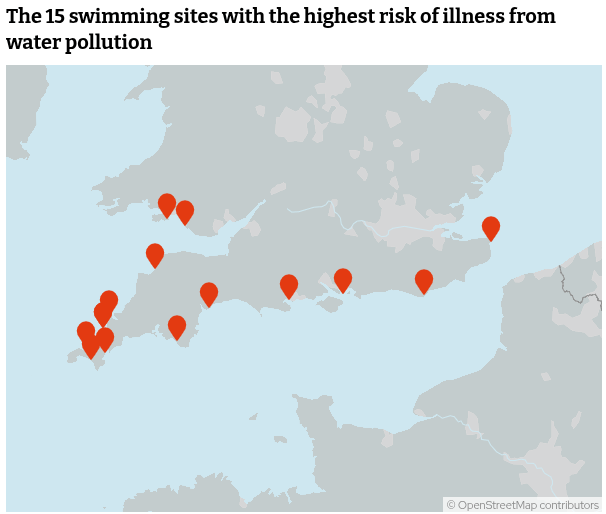
The 15 swimming sites with the highest risk of illness from water pollution
Alannah Francis inews.co.uk
So far this year, 147 health reports have been logged by the Surfers Against Sewage waterborne sickness dashboard
The amount of sewage being dumped into UK rivers and seas is on a scale that “defies belief” and is putting public health at risk, water safety campaigners have warned.
So far this year, 147 health reports have been logged by the Surfers Against Sewage waterborne sickness dashboard. However, the link between the cases and water quality have not been confirmed by doctors.
The most commonly reported illness is gastroenteritis, an infection in the gut that causes diarrhoea and/or vomiting, followed by ear, nose and throat infections.
It comes after the number of pollution incidents recorded by water companies in England reached a 10-year high, analysis from Surfers Against Sewage (SAS) shows.
The 2,487 pollution reports last year are more than double the target set by the Environment Agency, the charity said.
SAS said it received 1,853 sickness reports through its Safer Seas & Rivers Service app last year – an average of five a day.
A total of 331 people had to see a doctor, with 79 per cent of them reporting that their doctor had attributed their illness to sewage pollution. Fifteen people reported being hospitalised, according to the report.
Where have the most sickness reports been recorded?
Ramsgate in Kent, Bantham in Devon, Gyllyngvase in Cornwall, and Rest Bay at Porthcawl, Wales, top the table for the highest number of sickness reports recorded by SAS this year, with four cases each.
Branksome Chine in Poole, Dorset has three. The rest, including Westward Ho! in Devon, Southsea East in Hampshire, and Budleigh Salterton in Devon, each have two sickness reports.
Last year Westward Ho! was the third most common location for sickness incidents, with 31 reports; Southsea East was fifth with 25 reports, Budleigh Salterton was eighth with 23; and Gyllyngvase followed closely behind with 22.
What are the most common waterborne sicknesses?
According to the latest 2025 SAS sickness dashboard data, they are:
- Gastroenteritis – 114 cases
- Ear, nose and throat – 20
- Respiratory – 11
- Skin infection – 7
- Non-specific virus- 7
- Eye infection – 5
The total number of cases slightly exceeds the number of sickness reports as some have more than one symptom, SAS said.
Which bathing waters were most affected by sewage discharges in 2024?
The 10 bathing sites in England most impacted by sewage discharges last year, according to analysis by SAS, were:
- Wallasey – 2,201 discharges
- Dart Estuary – 1,553
- Plymouth Hoe East – 1,511
- St Annes – 1,232
- Steamer Quay – 987
- Wolvercote Mill Stream – 866
- Spittal – 782
- Walney Sandy Gap – 774
- Allonby – 768
- Fleetwood – 745
‘Water pollution landed me in intensive care’
Wellbeing coach Suzi Finlayson told SAS she fell ill after swimming at Aldwick Beach in Bognor Regis in December 2023.
The charity found that one sewage overflow from Southern Water in that month, into the waters at Aldwick, had lasted 343 hours.
In January, after weeks of sickness, Ms Finlayson was diagnosed with a blood infection that had led to endocarditis, a rare and potentially fatal inflammation of the inner lining of the heart.
“I became critically ill and spent six weeks in hospital care, including intensive care, followed by six months of recovery from open-heart surgery for a mitral valve replacement,” Ms Finlayson said.
She had to close her business because of the impact on her health and the demands of her recovery.
How have the water firms responded?
A spokesperson for Water UK, the trade association for the industry, said: “We have been clear that the water system is not working and support the Independent Water Commission looking at every aspect of how the industry is regulated.
“However, no sewage spill is ever acceptable and water companies are investing £12bn to almost halve spills from storm overflows by 2030.
“This is part of the largest amount of money ever spent on the natural environment to help support economic growth, build more homes, secure our water supplies and end sewage entering our rivers and seas.”
 East Devon Watch
Shocked is a word that is greatly overused by our national press but when I saw a particular bathing place in Oxford amongst those mentioned as the most polluted, I was genuinely shocked. Wolvercote Mill Stream was a bathing place that I and all my pals used as kids in Oxford 60 odd years ago. The river was our play. We lived our summer holidays there, indeed two years running we camped for around six weeks each summer on the Scout’s Godstow island at the bottom end of the stream by what is perhaps better known as Morse’s favourite haunt the Trout Inn.
The ‘Bathing Place’ was basic, just three chains across the stream separating the deeper adult section from the kid’s. On the bank there were, eventually, changing rooms and a shower.
I have seen it crop up from time to time as a place for ‘wild swimming’ of late. But back in 60’s it was just a section of the Thames, like a few other parts in Oxford, where one could swim in relative safety and for free.
That part of the river is the upper Thames and I struggle to think of any industry higher up that would discharge into the river – it must be polluted by run off from farmer’s fields and sewage discharge. So much for thinking that sewage problems were a good distance from their source!
LikeLike