
- Certificate of Lawful Development for a garage conversion and alterations.126 Sidford Road Sidmouth Devon EX10 9PARef. No: 23/2417/CPL | Validated: Fri 10 Nov 2023 | Status: Awaiting decision
- Prior approval application to convert existing farm building to a residential dwelling with associated development
 Higher Berry Farm Clyst St Lawrence Cullompton EX15 2NWRef. No: 23/2418/PDQ | Validated: Fri 10 Nov 2023 | Status: Awaiting decision
 - Floodlighting to existing skate park Phear Park Withycombe Road Exmouth Devon EX8 1TJRef. No: 23/2407/FUL | Validated: Fri 10 Nov 2023 | Status: Awaiting decision
- Single storey pitched roof side extension 10 Langdon Way Clyst St Mary Exeter EX5 1FPRef. No: 23/2412/FUL | Validated: Fri 10 Nov 2023 | Status: Awaiting decision
- T1, Oak : reduction of lateral limbs on southern side and partially east and west side; limbs will be reduced by up to 1.5 metres with cut diameters up to 50mm. Luddesdown Higher Brook Meadow Sidford Devon EX10 9SSRef. No: 23/2419/TRE | Validated: Fri 10 Nov 2023 | Status: Awaiting decision
- Erection of a single storey rear extension which would extend beyond the rear wall of the original house by 4.8m, for which the maximum height would be 3.3m and for which the height of the eaves would be 2.9m. 47 Partridge Road Exmouth Devon EX8 4PHRef. No: 23/2401/GPD | Validated: Thu 09 Nov 2023 | Status: Awaiting decision
- G2, x2 Beech : fell. Woodland Adjacent To Head Weir Ottery St Mary EX11 1QSRef. No: 23/2395/TCA | Validated: Fri 10 Nov 2023 | Status: Awaiting decision
- T1, Sycamore – fell. Land At Paternoster Row Ottery St MaryRef. No: 23/2387/TCA | Validated: Fri 10 Nov 2023 | Status: Awaiting decision
- (T1) – Monterey Cypress – expose the roots causing damage to driveway and prune off, removing the roots to then reinstate the driveway with appropriate sub-base and tarmac. Approximate diameter of the roots are up to 50-60mm. Longest root length from driveway edge is 4.8m. (Distance from driveway edge to the tree approximately 2m). Yoxall Barline Beer Devon EX12 3LWRef. No: 23/2389/TRE | Validated: Wed 08 Nov 2023 | Status: Awaiting decision
- T1: Box Elder reduce crown hieght from 7m to 5.5m and crown spread from 6m to 4m (at its widest). Lyndhurst Manor Road Seaton EX12 2AQRef. No: 23/2392/TCA | Validated: Wed 08 Nov 2023 | Status: Awaiting decision
- G1 – Birch: remove north-westernmost stem. Remove first two lowest branches on western stem. Reduce all stems in group to previous pruning points, maximum diameter of cuts 25mm. T2 – Birch: tip reduce height by approximately 1.5-2 metres, MDC 25mm. Langley House Town Lane Woodbury EX5 1NHRef. No: 23/2390/TCA | Validated: Wed 08 Nov 2023 | Status: Awaiting decision
- Certificate of Proposed Lawful Development for a side extension to form new entrance, existing hips to gables to the main roof and existing dormer size increased.9 Apple Close Exmouth Devon EX8 4QNRef. No: 23/2377/CPL | Validated: Tue 07 Nov 2023 | Status: Awaiting decision
- Screening opinion for proposed residential development Land West Of Whimple Road Broadclyst Exeter EX5 3BXRef. No: 23/0014/EIA | Validated: Tue 07 Nov 2023 | Status: Awaiting decision
- Proposed single storey extension on north/east elevation and French doors to existing bay window. Toad Hall Toadpit Lane West Hill EX11 1TRRef. No: 23/2357/FUL | Validated: Mon 06 Nov 2023 | Status: Awaiting decision
- Lean-to outbuilding for 1-10 Golesworthy Meadow residents’ storage. Golesworthy Meadow Clapper Lane Honiton EX14 1FARef. No: 23/2371/FUL | Validated: Mon 06 Nov 2023 | Status: Awaiting decision
- Japanese Maple (tree no. 273) – fell. Site Of Milton Lodge Brampford Speke EX5 5HGRef. No: 23/2356/TCA | Validated: Mon 06 Nov 2023 | Status: Awaiting decision
- Corkscrew Willow – crown reduction by less than 1m (see annotated photo). 27 Tigers Way Axminster EX13 5TGRef. No: 23/2370/TRE | Validated: Mon 06 Nov 2023 | Status: Awaiting decision
- T11, Oak tree: removal. Lovering House Hulham Road Exmouth EX8 5BBRef. No: 23/2369/TRE | Validated: Mon 06 Nov 2023 | Status: Awaiting decision
- Demolition of all buildings located on the siteSeaton Heights Harepath Hill Seaton Devon EX12 2TFRef. No: 23/2368/DEM | Validated: Mon 06 Nov 2023 | Status: Awaiting decision
- Prior approval for the erection of roof over existing silage clamps Ashe Farm Musbury Devon EX13 8ADRef. No: 23/2366/AGR | Validated: Mon 06 Nov 2023 | Status: Awaiting decision
- Replacement & extension of existing outbuilding roofs to provide car port. Keates Farm Broom Lane Tytherleigh Axminster Devon EX13 7AZRef. No: 23/2361/FUL | Validated: Mon 06 Nov 2023 | Status: Awaiting decision
- Two storey rear extension, and alterations to the front including a porch entrance canopy 15 Elm Close Broadclyst EX5 3LTRef. No: 23/2354/FUL | Validated: Wed 08 Nov 2023 | Status: Awaiting decision
- Conversion of existing garage with front and rear single storey extensions 10 Perrys Gardens West Hill Devon EX11 1XARef. No: 23/2367/FUL | Validated: Wed 08 Nov 2023 | Status: Awaiting decision
- New orangery style restaurant extension to the rear of the property in lieu of an existing external covered area which is currently redundant The Blue Ball Sandygate Exeter Devon EX2 7JLRef. No: 23/2348/FUL | Validated: Thu 09 Nov 2023 | Status: Awaiting decision
- Certificate of existing lawful use for annex as a single dwelling. Annexe Longlands Upton Pyne Exeter EX5 5HZRef. No: 23/2352/CPE | Validated: Thu 09 Nov 2023 | Status: Awaiting decision
- T5, Wellingtonia : fell to ground level. T11, Cypress : removal of two stems to north of main trunk back to main trunk junction, and removal of south-western stem to a height of 1-2m (leaning towards garage). Bramble Hill Seaton Down Hill Seaton EX12 2JDRef. No: 23/2337/TRE | Validated: Thu 09 Nov 2023 | Status: Awaiting decision
- Application for approval of reserved matters (layout, scale, appearance, access and landscaping) pursuant to outline permission 20/1559/OUT “Creation of 2no dwellings (outline consent sought with all matters reserved).” Garages Coombe Lane Axminster EX13 5ASRef. No: 23/2331/RES | Validated: Fri 10 Nov 2023 | Status: Awaiting decision
- Installation of 7 CCTV Cameras located externally around all four elevations of the Minster Church, and an aerial fitted to the parapet on the south side, with associated works St Marys Church West Street Axminster EX13 5NURef. No: 23/2315/FUL | Validated: Fri 10 Nov 2023 | Status: Awaiting decision
- Removal of conservatory and replacement with rear extension and raised decking. 15 Woodhill View Honiton EX14 2GQRef. No: 23/2319/FUL | Validated: Mon 06 Nov 2023 | Status: Awaiting decision
- Demolition of existing ground floor rear extension and replacing with two-storey rear extension. Radio House West Street Axminster EX13 5NURef. No: 23/2289/FUL | Validated: Mon 06 Nov 2023 | Status: Awaiting decision
- Proposed two-storey dwelling with associated amenity and facilities Land At 16 Raddenstile Lane ExmouthRef. No: 23/2273/FUL | Validated: Wed 08 Nov 2023 | Status: Awaiting decision
- Erection of new agricultural storage building Land Lying To The North Back Lane Newton PopplefordRef. No: 23/2279/FUL | Validated: Mon 06 Nov 2023 | Status: Awaiting decision
- Conversion of redundant agricultural building to form one unit of holiday accommodation. Bucknole Farm Northleigh Devon EX24 6BPRef. No: 23/2270/FUL | Validated: Tue 07 Nov 2023 | Status: Awaiting decision
- Single storey porch extension The Wood House Longmeadow Road Lympstone EX8 5LFRef. No: 23/2252/FUL | Validated: Mon 06 Nov 2023 | Status: Awaiting decision
- Construction of two storey rear and side extensions. The Oaks Aylesbeare Devon EX5 2DERef. No: 23/2232/FUL | Validated: Mon 06 Nov 2023 | Status: Awaiting decision
- Proposed installation of 210 solar panels on the roof Complete Meats Weycroft Avenue Millwey Rise Industrial Estate Axminster EX13 5HURef. No: 23/2217/FUL | Validated: Tue 07 Nov 2023 | Status: Awaiting decision
- Erection of detached steel portal framed building for use of storage (class B8), offices (class E(g)(i) and industrial processes (class E(g)(iii) Mantracourt Electronics Ltd The Drive Farringdon EX5 2JBRef. No: 23/2216/FUL | Validated: Tue 07 Nov 2023 | Status: Awaiting decision
- Conversion of workshop building to form 2 no. live/work units, comprising business use (Class E(g)) at ground floor and dwelling (Class C3) at first floor, and formation of associated parking area. 1 Old Steam Laundry Laundry Lane Sidford Sidmouth EX10 9QRRef. No: 23/2117/FUL | Validated: Mon 06 Nov 2023 | Status: Awaiting decision
- Change of use of former nursing home (Use Class C2 residential institutions) to form house of multiple occupation (Sui Generis). Seaswift House Sea Hill Seaton Devon EX12 2QTRef. No: 23/1968/FUL | Validated: Wed 08 Nov 2023 | Status: Awaiting decision
Daily Archives: 20 Nov 2023
The Secret Diary of Patrick Vallance Aged 63 2/3
Might be an interesting day ahead in the Covid inquiry – Owl
The right is babbling about tax cuts while Britain burns. Pay no heed, Jeremy Hunt
“Every spare pound should be consecrated not to tax cuts but to raising public investment – a key trigger for increased private sector investment and, ultimately, a better future.”
Will Hutton www.theguardian.com
It is time “to focus on growth”, intoned the chancellor, Jeremy Hunt, on Friday. The economy, he seems to think, has turned a corner. Before Wednesday’s autumn statement – the biggest set-piece economic event of the year – anticipation on Tory backbenches and in the rightwing media is beginning to run high, as estimates about his potential largesse balloon. A focus on growth in their eyes can have only one meaning: buying back popularity with tax cuts.
It is breathtakingly wrong. Tax cuts, especially the widely mooted deep cuts to inheritance tax that Hunt is said to be considering, will do little for growth – instead choking off a much-needed source of revenue and inflating inequality. That they should be framed as crucial supports to aspiration, enterprise and growth is tribute to the huge rightwing bias in our national conversation, with the reasons for the prolonged stagnation facing us going largely unacknowledged. Britain is suffering from an intensifying four-decade-long investment drought in the public and private sectors – the root cause of the crisis in stagnating productivity and living standards that shapes our politics and daily lives. Every spare pound should be consecrated not to tax cuts but to raising public investment – a key trigger for increased private sector investment and, ultimately, a better future.
The IMF has calculated that the combination of selling off so many public assets cheaply, refusing for decades to invest in those that remain – hospitals, schools, transport – along with commitments to pay pensions without creating accompanying pension funds to discharge the liability, mean that public sector liabilities represent an astonishing 96% of GDP. If Britain’s public sector had a balance sheet like a private company, identifying both public assets and liabilities, its net worth would be in the red by more than £2tn.
The extent and speed of the deterioration in the public sector’s net worth since 2000 is stunning – comfortably the fastest in the G7, on the IMF’s definition. It should be no surprise. In an ideological universe in which all wealth is imagined to be created by private enterprise, public investment is a permanent Cinderella. Margaret Thatcher’s election marked the moment when British priorities were disastrously upended. Until 1980, public investment had averaged 4.5% of GDP; between 1980 and 2023 it has averaged 1.5% of GDP – a short interlude of rising public investment under New Labour, immediately reversed by the coalition and then the Tory governments of the 2010s. It now runs at half of what it needs to be, according to the National Institute of Economic and Social Research; it should be doubled.
One obvious crisis area is our national infrastructure, the foundation on which growth is built. Britain, as the National Infrastructure Commission said forcibly last month, must lift its spending on infrastructure to at least £70bn a year and keep it there for decades if it is to have any hope of matching the transport, digital, housing, water, waste disposal and energy infrastructure enjoyed by other advanced countries – let alone to overtake them. The NIC says that £30bn of those funds can only come from government. Seven years after we lost the annual £6bn that the European Investment Bank used to lend, the UK Infrastructure Bank, if it does well, will succeed in lending half that annually by 2030. In addition, there is abject investment in research and development. Nero was said to have fiddled while Rome burned; we have a legion of rightwing commentators, thinktanks and Tory MPs babbling about tax cuts while Britain burns.
Pre-budget opacity and secrecy abounds; in a grownup country a column like this could be written in the light of the projected spending, tax and borrowing figures. No chance. Instead we rely on informed guesses. We do know that tax revenues have been buoyed by far higher inflation and pay settlements than when thresholds were frozen for six years. Some City estimates suggest that, far from the tiny margins that the chancellor thought he was operating within last spring, the Office for Budget Responsibility will have told him (congruent with meeting his target for shrinking national debt in five years’ time) he might have up to £26bn to “give away”.
How to spend it? A serious chancellor in a serious government would take a rounded picture – the living standards of the people, especially the poorest, the state of public services, the wider needs of the economy, the sustainability of debt service, the weaknesses of the public sector balance sheet, our infrastructure and public investment needs. This is what a growing economic consensus, including the IMF, now urges. Focusing on debt and deficits alone without connecting them to investment or the wider public balance sheet, and trusting in tax cuts rather than public investment to stimulate “enterprise and aspiration” may be Tory economic policy – but it is fossilised, redundant economic thinking.
Yet even if his party allowed him to be a serious chancellor, Hunt has shown no interest in developing a public sector balance sheet; if he did, it would remove the case for tax cuts completely. Yet within this second-best world, two floated measures will be steps in the right direction. Expect companies to be allowed fully to offset investment against corporation tax for at least another year – or even permanently. This is the only “tax cut” that has ever been proven to raise investment. And Hunt will begin the vital consolidation of our absurd pension fund structure – myriads of small pension funds producing low returns but not investing in Britain.
Besides the challenges we face, there is no urgency or concerted effort to do everything possible to turn our economic trajectory around. The story should be investment, investment, investment – not bungs for the rich via inheritance tax cuts or worsening the already hard-pressed living standards of those at the bottom by shaving the proper indexation of welfare benefits – another floated measure. Since Brexit, inward investment, so important to an open economy like Britain’s, has shrunk alarmingly: no longer do we have full, unfettered access to crucial EU markets, and foreign companies are voting with their feet. Yet there is zero effort to correct this self-inflicted harm.
Our infrastructure is lamentable. Our public balance sheet is ruinously weak. Business investment is far below what is needed. We are going nowhere as a country. The autumn statement will scarcely shift the dial.
Devon devolution on track but Plymouth steps back
What sort of strings are attached to this “devolution” deal if Plymouth can’t accept them? – Owl
As the government pledged £16m funding to pave the path to a devolution deal for Torbay and Devon, Plymouth City Council announced its withdrawal from negotiations.
By Charlotte Cox www.bbc.co.uk
The government is “committed” to ongoing talks for a deal to transfer powers and funding from Whitehall to local government, Torbay Council said.
This includes investment in training and jobs.
Plymouth’s council leader branded the deal “unreasonable and unrealistic”.
Councillor Tudor Evans said to continue on with the process would have meant “less power and control” over transport in the city, no commitment to increased funding – and a “backward step” for the area.
Although he supported the principle of devolution, there was “no choice but to withdraw”, he added because of government insistence they “surrender our powers and funding regarding transport”.
Wishing luck to Devon and Torbay leaders, Mr Evans added: “It is massively disappointing given all the work that has taken place and we hope the government will realise the final deal it offered was unreasonable and unrealistic and that it will reconsider in the future.”
Levelling Up Minister Jacob Young said the government was “committed” to continuing negotiations to conclude a deal with Devon and Torbay Councils.
In a letter to leaders in Devon and Torbay, Mr Young offered £16m of “new capital funding” for the green economy including environmental science and technologies.
With a focus on new “green jobs, homes, skills, and business growth”, the funding would also be aimed at attracting private sector investment, he said.
A wider package of “devolved powers and funding” were in “advanced negotiations”.
Meanwhile, councils were seeking “greater local control” and resources for affordable housing and improved public transport, Torbay Council said.
‘Real momentum’
The devolution model would create a Combined County Authority (CCA) for the area, as opposed to a mayor for Devon, it added.
John Hart, leader of Devon County Council, said coming close to finalising a deal was “hugely significant”, giving Devon and Torbay a “stronger voice” in Whitehall.
Councillor David Thomas, Leader of Torbay Council said the funding announcement showed “real momentum” for the devolution deal.
Both leaders said they respected Plymouth City Council’s decision and would work with them, while Councillor Evans said Plymouth was also committed to co-operation.
Subject to an agreement in principle on the deal, a public consultation would be launched on the setting up of a proposed CCA, with a final decision coming before the respective councils in March 2024.
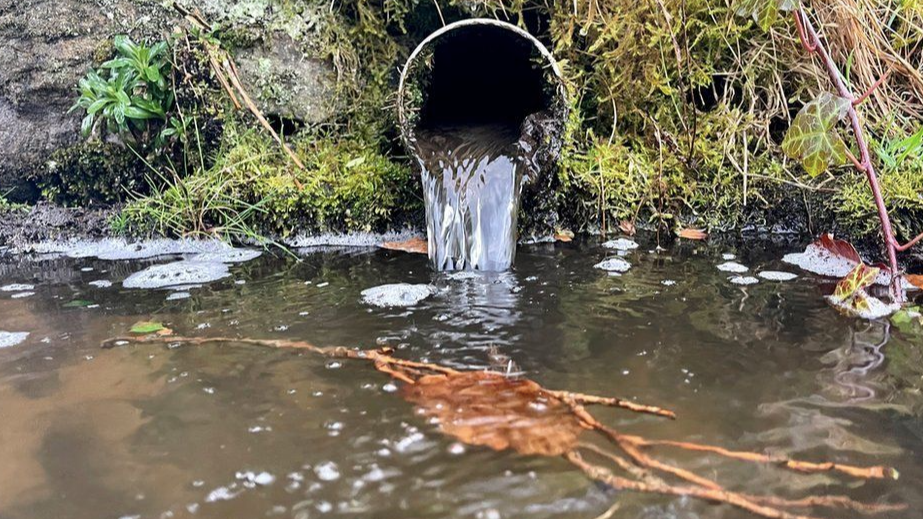
Let It Flow! Let It Flow! Let It Flow!
From a correspondent:
(To be sung to the tune of Let it Snow! Let It Snow! Let it Snow!)
Oh, the weather outside is frightful
The flood damage is truly spiteful
The sewage has nowhere to go
Let It Flow! Let It Flow! Let It Flow!

It doesn’t show signs of stopping
And all the manhole covers are popping
South West Water’s spent all of our dough
Let It Flow! Let It Flow! Let It Flow!

Portaloos are required day and night
How I hate going out in the storm
A ‘poonami’ is a regular sight
Infrastructure clearly needs to transform

Warnings forecast continuous raining
So we must fix our outdated draining
Full-length Waders are a definite ‘NO’
Let it Flow! Let It Flow! Let It Flow!

Have we honestly come to this?
Where we drown in our own noxious faeces
Regulators have been so remiss
It’s a wake-up for our human species!

The crux is, of course, who’ll be paying
For pumping stations and extra pipe laying?
The answer . . . . . we already know!
Let It Flow! Let it Flow! Let it Flow!

 East Devon Watch