Weather changes causing chaos for UK flora and fauna, says National Trust audit

The disappearance of reliable seasonal patterns is causing chaos for the flora and fauna of the UK, a long-running annual audit of the impact of weather on nature has found.

Steven Morris www.theguardian.com

Extreme weather events, from storms and pounding rain to searing heat and drought are putting huge pressure on animals, plants and the environment, the report from the National Trust says.

The conservation charity is urging politicians to prioritise “urgent action” to protect nature and people from future climate shocks and says parties should commit to making changes in their manifestos for the next UK general election.

Ben McCarthy, the head of nature and restoration ecology at the National Trust, said: “The shifting weather patterns we’re seeing, particularly the warmer temperatures, is continuing to upset the natural, regular rhythm of the seasons. This loss of predictability causes chaos for the behaviours of animals in particular, but can also impact trees and plants.”

The National Trust gave a long list of species that have suffered in the last 12 months, including oak trees, which are increasingly vulnerable to the oak processionary moth, whose caterpillars infest them. The lack of prolonged cold snaps in recent years means the moths have spread northwards from their traditional home in the Mediterranean.

Another troublemaker doing well is the heather beetle, which is killing off swathes of the heathland plant in some areas. A drone survey of Dunwich Heath in Suffolk revealed a 60% loss in heather.

The warmer winters means hibernators such as dormice are emerging from their torpor too early and using up vital energy stores. It is also leading to red deer rutting later, meaning calves are born in the summer rather than the spring, with insufficient time to grow and put on fat reserves to survive.

According to the trust, some of the rare lichens and liverworts that grow in the temperate rainforest at Lydford Gorge, on the edge of Dartmoor in Devon perished because of the lack of water last winter.

But then water voles were driven from flooded burrows when the torrential rains have come in, putting them at increased risk of cold, hunger and predation.

McCarthy, said: “These baseline changes that we’re seeing are really worrying and what we should be taking more notice of, particularly when combined with extreme weather events, which makes things even more challenging.

The autumn storms, Babet and Ciaran, caused havoc, knocking down trees including a 260-year old Cedar of Lebanon at Charlecote Park in Warwickshire and eroding river banks and beaches.

One of the consequences of the storm just coming to light is the possible impact on the population of the shags, the seabirds that look similar to cormorants that live and breed on the Farne Islands in Northumberland. There are hardly any birds in the winter roosts on the islands, with a number of dead birds being washed up on the islands. It is thought Babet disrupted their ability to feed and led to starvation.

There were scraps of bright news. Record-breaking numbers – at least for recent years – of choughs were spotted in Cornwall with a 60% increase in the number of chicks on 2022. The elegant crow is a symbol of Cornwall but became extinct and is back on the rise.

At Formby in Merseyside, rangers recorded the first emergence of natterjack toadlets since 2020 in May with approximately 150 counted across the site.

The rare black oil beetle was spotted at Kinver Edge in Staffordshire for the first time in nine years. The sandy soil there suits burrowing insects such as solitary bees, whose nests and eggs the oil beetle feeds on.

Persistent rain in July and the warm, wet conditions that continued into the autumn were ideal for waxcap grassland fungi. One, the dark velvet fanvault was found at Hardcastle Crags in West Yorkshire, the first record of it in the UK.

Butterflies and moths on the whole seem to have had a better year than expected, considering last year’s drought. Staff noted record-breaking numbers of the Heath fritillary butterfly on the Holnicote Estate on Exmoor in Somerset.

But the charity’s audit, which it has been carrying out for 15 years, makes gloomy reading overall.

“We need to see more action from politicians, particularly as we enter this election year, to ensure tackling the nature and climate crisis is a top priority,” said McCarthy.

“We want to see parties commit to accelerating progress on nature restoration, increase support for nature-based solutions to climate change and to put climate adaptation at the heart of their manifestos, so the UK can be better prepared for the weather extremes we will increasingly experience.”
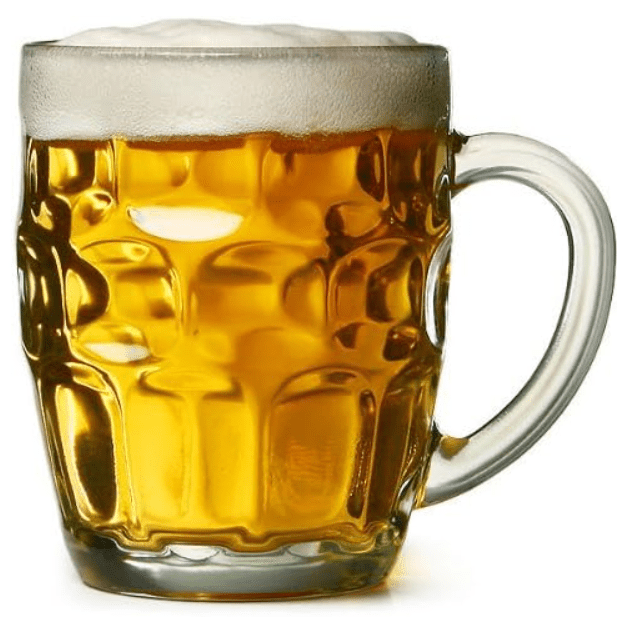
Government to reintroduce the pint of champagne!

What every hard pressed family needs! Cheers – Owl

Johnson’s imperial measurements plan scrapped – but pints of champagne will return

Champagne and other wines will be sold in pints for the first time in decades under a new Government plan to take advantage of Brexit freedoms.

Hugo Gye inews.co.uk

The range of bottle sizes which can legally be sold in the UK’s shops will be expanded some time next year, the Department for Business and Trade has said.

It will include the return of the pint of champagne, which is said to have been Winston Churchill’s favourite measure.

But the Government has stopped short of a post-Brexit overhaul of the measurements system in general, after nearly 99 per cent of those responding to a consultation said they wanted to stick with the metric system.

Proposals to remove the requirement to display metric measurements on most products, or allow retailers to display imperial measurements more prominently, have now been abandoned.

The proposals made by Boris Johnson were denounced at the time as “nostalgia”.

The sale of pints of champagne, which became illegal when Britain joined the EU, has long been championed by Brexiteers such as Sir Jacob Rees-Mogg – although some champagne houses have said they will not start selling their products in new bottle sizes after the regulations change.

Under the new rules, it will be legal to sell still and sparkling wines in 200ml, 500ml and 568ml sizes – the latter being the equivalent of a pint in metric terms – as well as the more usual full and half bottles.

There will be no obligation on producers or retailers to stock the new sizes, and the regulations do not apply to pubs or restaurants, which operate under a different set of rules.

Business minister Kevin Hollinrake said: “Innovation, freedom and choice – that’s what today’s announcement gives to producers and consumers alike. Our exit from the EU was all about moments just like this, where we can seize new opportunities and provide a real boost to our great British wineries and further growing the economy.”

Nicola Bates, the head of WineGB, added: “We welcome the chance to be able to harmonise still and sparkling bottle sizes and we are happy to raise a glass to the greater choice that allows UK producers for domestic sales.”

After the UK entered the EU in the 70s, most measurements were legally changed to metric although a number – including pints in pubs and miles on road signs – remained in the traditional imperial system.

Some Brexit campaigners have previously argued that the ability to use more imperial measurements is one of the major benefits of leaving the European single market.

But when Mr Johnson launched the consultation in May 2022, Labour MP Angela Eagle accused ministers of “attempting to weaponise nostalgia for a time few can remember and even fewer wish to return to”, while Tory backbencher Alicia Kearns said: “Not one constituent, ever, has asked for this.”

Tories accused of overseeing ‘pothole pandemic’

Sixty-three claims for pothole-related damage were made by motorists every day last year, the Liberal Democrats have said.

Dominic McGrath uk.news.yahoo.com

The party has called for road maintenance budgets to be fully-restored by the Government, accusing the Conservatives of overseeing a “pothole pandemic” on English roads.

Data from 85 local authorities in England, obtained by freedom of information requests, shows that compensation paid to motorists reached £1.77 million in 2022/23 – a slight rise on the previous year.

The Liberal Democrats said that the number of pothole claims has grown significantly in the last year, with 23,042 in 2022/23 compared with the 13,579 recorded the previous year.

Housing and Communities spokeswoman Helen Morgan said: “This Conservative Government has overseen a pothole pandemic on our roads. It’s now become almost impossible to drive in some parts of the country without having to swerve to avoid potholes.

“This has led to thousands of drivers having to claim for damage to their vehicles or even personal injury caused by crater-filled roads.

“The Government is firmly to blame for this failure to maintain our roads properly after having slashed funding for local road repairs.

“Cash-strapped councils are being left without the funding to maintain roads properly while having to shell out thousands of pounds in pothole payouts.

“Local authorities need to have their highway maintenance budgets urgently restored so that we can end this vicious cycle of pothole payouts and poorly maintained roads.”

A Department for Transport spokeswoman said: “We are investing an extra £8.3 billion to resurface roads across the country, the biggest ever funding increase for local road maintenance.

“This is enough to resurface more than 5,000 miles of roads and is on top of the more than £5.5 billion that we have already invested in highway maintenance.”