The Local Plan consultation is closed, work begins behind the scenes and Paul Arnott can speak

Paul Arnott www.exmouthjournal.co.uk 

The older you get, the more you understand that to enable real change in your community, it has to be done by the book and on the record. Because if you let slip one inadvertent, tiny technical mistake, or even make an ill-chosen public utterance, you can damage your cause.

This is relevant now because East Devon District Council has just closed a two-month consultation period for its Local Plan, a document setting out where domestic and business development is permitted between the adoption of the plan, likely in 2024, and 2040.

For a council leader there are twin perils. If you speak out too vociferously prior to public consultation, a city lawyer for a disappointed developer or landowner will later go to the Inspector (who ultimately approves the plan) and cry “pre-determination” and an attempt to influence an objective consultation. At which point three years of work can be thrown out.

So, you have to keep your powder dry until the consultation is over. The other peril is that your silence can be taken for approval. Hopefully, in most quarters local people who follow district affairs will have understood my caution not to grandstand on this.

Now that the consultation is closed, I can say that I was of course very aware that a number of proposed sites in the Local Plan consultation would be contested by local communities. But these sites had been submitted by landowners and developers and it is not the role of a council to pre-determine which to include going forward to be consulted on so long as our officers recommend that they have met the basic criteria for lawful development.

I was also aware that you can’t try to dodge confronting these challenges by playing games, as the Conservatives’ at East Devon did by attempting to throw out the whole consultation process at the eleventh hour. That would only have made our precious area more vulnerable to speculative developers who could argue that as an authority we were not proceeding in a timely manner. Why would the Conservatives have wanted that, you may well ask?

However, last February our council took care to speak in strong terms directly to government about the central flaw in our national planning processes. Careful to ensure this had the formal, cross-party consent of our whole Strategic Planning Committee, we wrote in politically neutral terms to Michael Gove to challenge the Standard Method for Calculating Housing Need.

We wrote that the current housing need figure for East Devon “can only be met through harming our attractive landscape areas including two Areas of Outstanding Natural Beauty (AONB’s) and areas where development has been shown to have a significant detrimental impact on designated wildlife habitats, over 90% of East Devon.”

The previous Conservative administrations in East Devon had fallen under the spell of landowners and developers (one of whom now provides funding for a local MP) and had publicly proclaimed a “Build, build, build” strategy. We told Mr Gove of the consequence: the district’s number of homes built per year grew from around 700 a year less than 10 years ago to well over a 1000 in 2019.

Because of local Conservatives choices a decade ago, this unsustainably high baseline set the maths for the housing need numbers today, even though we were now entering territory in many areas of East Devon where this was highly undesirable. So, we asked Mr Gove to allocate new housing based on future needs and aspirations to protect the environment rather than based on the past trends.

We didn’t shout this from the rooftops last February; we just did it. As result, Mr Gove has called these processes in, hinting at potential reforms to number setting. He now needs to enshrine this in legislation uninfluenced by the builders’ lobbyists. We are watching very closely indeed.

Devon and Cornwall Police officer charged with rape

A Devon and Cornwall Police officer is set to appear in court over rape charges. A statement from the force said PC Kane Haywood, 29, from East Devon, has been charged with two counts of rape of a woman aged 16 years or over and sexual assault by penetration.

Chloe Parkman www.devonlive.com

According to a statement on the police website, the charges relate to alleged incidents in Exeter in March 2021. Haywood is due to appear at Plymouth Magistrates’ Court tomorrow (January 18).

PC Haywood is currently suspended from duty. A spokesperson for the force said: “A Devon and Cornwall Police officer is due to appear before Plymouth Magistrates’ Court on Wednesday 18 January charged with rape.

“PC Kane Haywood, aged 29, from East Devon, is charged with two counts of rape of a woman aged 16 years or over and sexual assault by penetration. The charges relate to alleged incidents in Exeter in March 2021.”

All police forces ordered to search for sex predators and domestic abusers in ranks

All police forces have been ordered to search for sexual predators and domestic abusers in their ranks, in a major review sparked by the horrific crimes of David Carrick.

Maybe Devon and Cornwall Police also need to review their handling of sexual predators cases outside the force. For example their early reluctance to pursue the John Humphreys paedophile case. “Nothing to be seen here”. DCC and EDDC have their inquiries underway but nothing from the police. – Owl

Lizzie Dearden www.independent.co.uk

It comes after a similar check by the Metropolitan Police found more than 1,000 officers and staff who have had complaints against them in the past decade but remain in service.

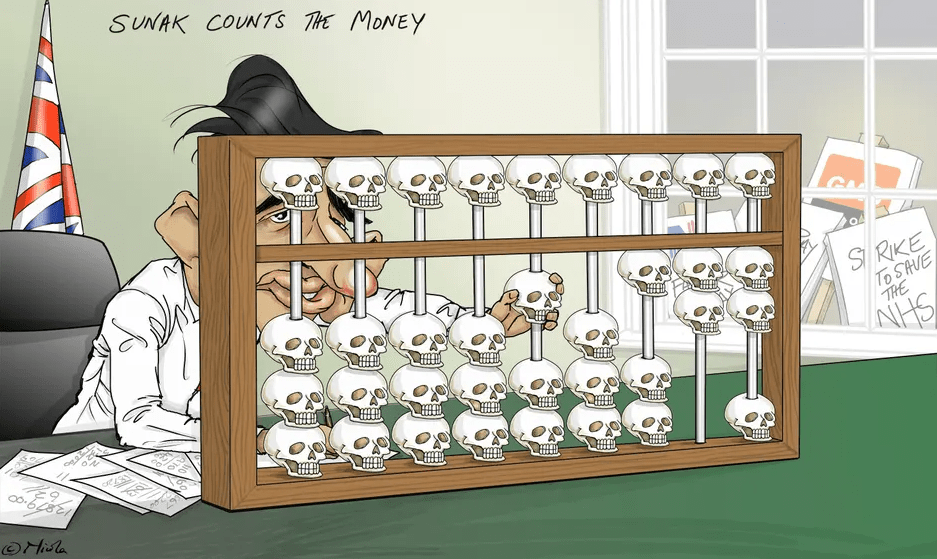
The review across England and Wales was announced ahead of a meeting between the prime minister and commissioner Sir Mark Rowley, where the government said Rishi Sunak would “make clear we must work together to root out the misogyny and predatory behaviour within the police’s ranks to restore public confidence”.

The National Police Chiefs’ Council (NPCC) is writing to all forces in England and Wales to check their officers and staff against national police databases.

The Home Office said the search would “help identify anyone who has slipped through the net before vetting standards were toughened and ensure those who are unfit to serve can be rooted out”.

Vetting and monitoring processes for police officers are under intense scrutiny after it emerged that Carrick was let into the Metropolitan Police months after the force investigated him for harassing a former partner.

He was allowed to remain in Britain’s largest force for 20 years despite involvement in at least nine incidents, including domestic abuse and violence, as he was never prosecuted and Scotland Yard repeatedly decided Carrick had “no case to answer” for disciplinary proceedings.

All 49 offences, including 24 rapes, he has now admitted perpetrating against 12 women over 17 years took place during his career in the Metropolitan Police.

Martin Hewitt, chair of the NPCC, said: “The confidence of women and girls in London and across the country in the police has been damaged further by the details of David Carrick’s decades long violent and degrading abuse of women and the police failures to spot and stop him.

“Chief constables are rooting abusers and those who betray our standards out of policing.

“We will be asking all police forces to further check their officers and staff against national police databases. This will help identify anyone who has slipped through the net before vetting standards were toughened and remove those who are unfit to serve.”

Details of the review, how it will be carried out and in what timescale are still being formulated.

The home secretary has also asked the College of Policing, which governs police training and standards in England and Wales, to strengthen the statutory code of practice for police vetting and make the obligations all forces must legally follow stricter and clearer.

Suella Braverman said: “Carrick’s sickening crimes are a stain on the police and he should never have been allowed to remain as an officer for so long.

“We are taking immediate steps to ensure predatory individuals are not only rooted out of the force, but that vetting and standards are strengthened to ensure they cannot join the police in the first place.”

The home secretary previously announced a review of the police disciplinary process, which will consider public calls made by commissioner Sir Mark Rowley to give more power to chief constables to govern who serves in their forces.

Ms Braverman told MPs on Tuesday: “I want to make sure we have a fair and effective system of removing those officers who are simply not fit to serve.”

Carrick’s case will also be looked at as part of the ongoing inquiry into police vetting and wider issues by Lady Elish Angiolini, which was started after the 2021 murder of Sarah Everard.

A proposed terms of reference states that the inquiry will question whether processes around recruitment and vetting do enough to identify those who are not fit to serve, investigate the extent of “misogynistic and predatory behaviour” in police culture and the suitability of current risk management.

Several previous watchdog inspections and reports have identified issues with vetting and warned that rapists, domestic abusers and sex predators were being allowed to join and remain in policing.

Following calls from HM Chief Inspector of Constabulary for urgent action on recommendations that were made last year, the government commissioned a “rapid review” of police forces’ responses.

“Despite repeated warnings – including several from us – not enough has been done to improve standards and stamp out misogyny and predatory behaviour in policing,” Andy Cooke had said. “It is vital that the police act on our recommendations. They simply cannot afford to wait any longer.”

Camping ban millionaire helped bankroll MP’s campaign

He who pays the piper…….! – Owl

A Devon MP whose General Election campaign was partly bankrolled by the landowner who won a controversial ban on wild camping on Dartmoor has said he won’t be drawn into the row. But South Devon MP Anthony Mangnall has pledged to lobby for more cash from the Government to promote the “extraordinary” countryside of Devon.

Guy Henderson www.devonlive.com

The official Parliamentary Register of Members’ Financial interests reveals that land owner and hedge fund manager Alexander Darwall gave £5,000 to the campaign fund that backed Mr Mangnall’s election to the Totnes seat in December 2019. Mr Mangnall points out the money went to the Totnes Conservative Association and not to him personally.

Mr Darwall is reported to have given substantial financial backing – to the tune of £90,000 – to the UK Independence Party and the ‘Leave’ Brexit campaign in the past. He is a millionaire who owns several large areas of land across the UK including the 4,000-acre Blachford Estate near Ivybridge on the southern fringes of Dartmoor, which offers pheasant shooting and deer stalking for well-heeled visitors.

Mr Darwall is in the headlines after he challenged the legal basis permitting wild camping on Dartmoor. He and wife Diana challenged the claim the Dartmoor Commons Act 1985 permitted wild camping, saying the legislation only related to recreation “on the move”.

They questioned the legal foundation of the Dartmoor National Park Authority’s bylaws which permit responsible backpack camping – allowing, for example, hikers to pitch a tent, which they must transport on foot, for up to two nights. They argued that some wild campers on their land caused problems to livestock and the environment.

Tiverton High School Ten Tors 2022

Sir Julian Flaux, the Chancellor of the High Court, agreed and found the act did not give the public any right to make camp overnight on Dartmoor common land, and that this required the consent of the land owner. The judgment sent shockwaves through the countryside and cast doubts on the future of events like the Ten Tors Expedition and the Duke of Edinburgh Award Scheme, which both involve young people camping out on the moors.

A statement on the Blachford Estate website explains: “We are grateful to the High Court for its thoroughness in clarifying the matter. We now hope to engage with the Dartmoor National Park Authority, so we can improve outcomes on the ground. Working together, we can improve conservation of the Dartmoor commons and improve the experience for those enjoying the Commons legitimately.

“Our intention was not to ban camping on Dartmoor, but to clarify the law on this matter. We have always wanted to work with the DNPA on this issue and the recent court ruling now affords us that opportunity. We are hoping to come to a mutually satisfactory arrangement in the near future.”

Mr Mangnall said he was “100% supportive” of the right to roam across national parks, and fully appreciated the benefits of outdoor exercise. He went on: “I have spent quite some time as the MP for Totnes working on how we can keep public footpaths up to scratch, and even more time working on how we can improve outdoor learning, including ensuring that people are able to make use of what is on their doorstep.

“Regarding the High Court’s decision about wild camping, I do not believe it is right for a MP to second guess legal experts, especially given the independence of the courts. However, it is clear the decision is a huge disappointment to many people, both locally and nationally.

“Please note, there is no question as to the public’s right to walk and ride on the commons, and everyone may continue to do so.

“Regarding the donation Mr Darwall gave to the Totnes Conservative Association, I should make it clear that this money did not go to me personally but to my association. That donation was given in late 2019 and no further donations have been made. This donation was in line with the rules set out by the Independent Parliamentary Standards Authority.

“Our countryside is of great importance and over the coming days, I will be working to see how we might be able to secure extra funding from central Government to attract more people to this extraordinary part of Devon.”

No scope to appeal against Straitgate Quarry decision

Devon County Council has ruled out an appeal against the granting of planning permission for the Straitgate Quarry near Ottery St Mary. 

Philippa Davies www.midweekherald.co.uk 

The council has expressed disappointment that its refusal of permission was overturned by planning inspectors earlier this month, but said it could not challenge that decision. 

It gives the quarrying company Aggregate Industries permission to extract up to 1.5 million tonnes of raised sand and gravel over 10 to 12 years, and transport it to Hillhead Quarry near Uffculme – 23 miles away – for processing. 

Ottery town councillors have unanimously condemned the decision, which they said ‘appeared to have ignored a lot of expert witness statements and scientific advice’. 

Cllr Vicky Johns, the Mayor, said: “I’m still shocked and saddened by the quarry being given the go-ahead and can’t believe they didn’t take the residents’ and local councils’ comments into account.” 

Following the successful appeal by Aggregate Industries, the town council wrote to the county authority asking if it could take any action to prevent the huge quarrying operation, but Devon County Council said the only possibility was a judicial review. This would not question the merits of the proposals to quarry at Straitgate Farm, but would examine the way the decision to grant permission was made ‘on the grounds of illegality, irrationality or procedural impropriety’. 

Attention is now focusing on the huge number of planning conditions and legal obligations imposed on the quarrying company, including many that must be satisfied before any mineral extraction can start. 

Devon County Council will be responsible for enforcing all these conditions, and will also have a duty to investigate any reports of alleged breaches. These could include working outside the agreed hours, failure to control levels of noise or dust, or failure to carry out habitat management or restoration work. 

Ottery Town Council and the Straitgate Action Group are now urging the county council to carry out those duties rigorously. 

Ottery councillor Dean Stewart said: “The council did contribute to the Straitgate Action Group and we need to explore whatever options are still available. The appeal decision did attach a lot of conditions to the approval and we need to make sure that Devon County Council and East Devon District Council impose all of those conditions and police them carefully.” 

Picket lines for nurses strike action at Cornwall hospitals

Nursing staff across Cornwall will be taking part in two consecutive days of strike action this week in what has been described as a “last resort.”

Emma Ferguson www.falmouthpacket.co.uk 

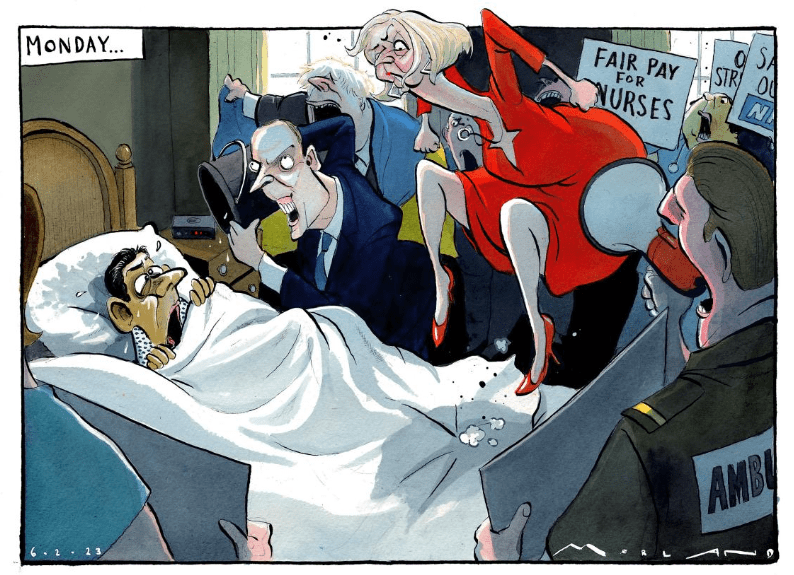
Members of the Royal College of Nursing will be outside the Royal Cornwall Hospitals Trust and Cornwall Partnership Foundation Trust hospitals on both Wednesday and Thursday.

There will be four picket lines set up, with the industrial action running between 7.30am and 7.30pm on both days for three of them, although at West Cornwall Hospital in Penzance it will end at 5pm.

Picket lines will be outside the Royal Cornwall Hospital at Treliske in Truro, the West Cornwall Hospital in St Clare Street, Penzance, near Camborne Redruth Community Hospital in Barncoose Terrace, Redruth, and near Bodmin Hospital in Boundary Road, Bodmin.

It is after the necessary majority of members voted in favour of strike action last year.

Cornwall was not involved in the first strikes that took place on December 15 and 20, but is taking part in the second phase in a bid to build pressure on the government.

A spokesperson said: “Our members join thousands of RCN members across England in taking this action.

“Strike action is a last resort for nursing staff, but low pay in the profession is driving chronic understaffing, which is putting patients at risk and leaves nursing staff with no choice but to take action.”

There is no picket line for NHS Blood and Transport staff, who are invited to join other pickets.

Staff not scheduled to work on the day of strike action can also still attend the picket line to support colleagues.

Some staff will be withdrawn from the action in what is called ‘derogation’, to ensure that life-preserving care can still be delivered without breaking the strike.

The RCN added that the action was designed to “rectify the years of real-terms pay cuts that are pushing people out of the nursing profession and putting patient safety at risk.”

It went on to say: “Our pay position is clear. We expect to see a pay award that goes 5% above inflation (the retail prices index).

“We reached our pay position for 2022-23 in close collaboration with our members across the UK. We carried out an analysis of economic trends and NHS pay over the past decade. We also considered the staffing pressures facing the profession.”

NHS hospital beds data analysis – BMA

The NHS has a shortage of hospital beds, with occupancy rates consistently exceeding safe levels. As the health system faces unprecedented pressures due to rising demand and the burden of COVID-19, bed capacity will remain a critical limiting factor in the ability of the NHS to recover.

www.bma.org.uk

This page provides analysis on the availability and occupancy of beds in the English NHS and is updated regularly with new data. [Online article contains more graphics.]

Last updated: 20 December 2022

COVID-19 has had a significant impact on service delivery. A number of factors impact the usage and availability of beds:

  •  infection control measures placing limits on ward space
  • reduced elective capacity
  • staffing redeployment.

This is why data shows a sharp fall in the number of available hospital beds in 2020/21.

To fairly illustrate long-term trends this analysis therefore uses the pre-pandemic year of 2019/20 as the comparator.

The UK has fewer hospital beds than comparable nations

Compared to other nations, the UK has a very low total number of hospital beds relative to its population. The average number of beds per 1,000 people in OECD EU nations is 5, but the UK has just 2.4. Germany, by contrast, has 7.8.

Combined with staffing shortages, an insufficient core bed stock means that hospitals are less able to cope with large influxes of patients, for example during winter or periods of high demand.

This has ultimately impacted hospitals’ ability to provide safe and timely care and remains a major factor in growing backlogs.

NHS hospital bed stocks have changed over time

Overall bed stock has declined

Prior to the pandemic, the total English NHS hospital bed stock reduced by 8.3% between 2010/11 and 2019/20 as the average daily total of available beds fell from 153,725 to 140,978.

The ratio of beds that are overnight versus day-only has also undergone change. Between 2010/11 and 2019/20 the overnight bed stock shrunk by 10% while the number of day-only beds increased by 13.4%.

Different settings

The extent to which overnight bed numbers have fallen varies across different settings. Learning disability and mental illness beds have seen the largest reduction of 56% and 22.5% respectively since 2010/11. This reflects policies to move care for these patient groups out of hospitals and into the community.

A  reduction has also occurred in the available number of general and acute overnight beds which have decreased by 6.9%, from 108,958 average daily beds in 2010/11 to 101,432 in 2019/20.

The rise in general and acute day-only beds reflects an increase in day-case surgeries reducing the need for overnight stays, following clinical innovations that have lowered the time patients generally need to spend in hospital.

COVID-19 has impacted bed availability

As NHS England has noted, capacity has had to be organised differently during the pandemic. This is to comply with enhanced infection control measures and to treat COVID and non-COVID patients separately.

As a result of this reorganisation, the number of general and acute beds available for use dropped to a low of 92,559 in the first quarter of 2020/21.

Latest data for the second quarter of 2021 showed this has now increased to 98,000, but remains well below pre-pandemic levels.

Safe limits are routinely breached

Rising occupancy

While overall bed numbers have declined, occupancy rates have been rising.

Since 2010, average bed occupancy has consistently surpassed 85%, the level generally considered to be the point beyond which safety and efficiency are at risk.

Coming into the pandemic, England had an average occupancy of 90.2% in 2019/20. However, local variation in supply and demand have seen many trusts regularly exceeding 95% capacity in the winter months.

Bed shortages alongside high occupancy rates are unsafe for patients and staff. It can:

  • increase delays in emergency departments
  • delay patients transfer from intensive care units and between wards
  • add stress to staff and patients.

Impact of COVID-19 on occupancy levels

The pandemic has seen a drastic fall in bed occupancy rates as a result of infection control procedures and rapid discharge arrangements. However, occupancy levels go hand in hand with the availability of beds.

Low occupancy with a low bed stock and low throughput is neither good for patients nor staff, who are facing long waits for treatment, a mounting backlog and capacity pressures.

Data for the second quarter of 2022/23 indicates that bed occupancy levels in England have risen substantially and have passed the recommended safe threshold again.

Pressures in social care are causing delayed discharges from hospital

Issues surrounding bed capacity are compounded further by discharge delays caused by pressures in social care. Up to one in three English hospital beds are occupied by patients who are medically fit to be discharged, but remain in hospital as there is no space for them in social care. This issue highlights the importance of properly funding both health and social care systems so that they can effectively work together.

Critical care capacity remains low despite increases in beds

National data on critical care beds is collected via monthly situation reports. Until February 2020 this consisted of a snapshot taken at midnight on the last Thursday of the month.

In March 2020 reporting adjustments due to COVID-19 changed this to an average across the month.

NHS England paused the regular publication of complete critical care bed capacity in February 2020 due to the COVID-19 pandemic.

The UK entered the pandemic with a low number of critical care beds relative to its population, with just 7.3 critical care beds per 100,000 people, more than half the average in OECD EU nations (15.9).

This is despite the total number of adult acute critical care beds actually having risen over the years. 

In placing new demands on critical care services, COVID-19 laid bare that England does not have enough critical care beds.

When the NHS was asked in early 2020 to free up critical care capacity to prepare for a surge in patients, it achieved this through reorganising existing resources to:

As a result of these measures the number of available critical care beds saw a sharp increase between March and April 2020.

However, the need for rapid expansion of critical care capacity has come at a large cost to the NHS, which now faces extensive backlogs in other parts of the system. See our secondary care capacity analysis.

What the BMA is calling for

With bed capacity pressures mounting, the BMA is calling for action to be taken to ensure that the core bed stock grows to reach a level that will cope with year-round demand.

Increasing the total number of available beds is a sensible and achievable step towards addressing bed shortages in the NHS.

Expanding bed numbers will only be meaningful if there is sufficient workforce to staff them safely.

Funding for the adequate staffing of these beds – alongside long-term investment in increasing the NHS workforce – must therefore be provided by the Government.

This must be accompanied by a workforce strategy to ensure that the appropriate number of future staff are being recruited and trained. This is likely to save costs in the long run – through, for example, a reduction in locum costs.

Richest 1% in UK now wealthier than 70% of population combined

The richest 1% of people in the UK are now wealthier than 70% of the population combined, according to analysis by Oxfam.

“Survival of the Richest” – Proves that there is no such thing as trickle-down economics. – Owl

Laura Parnaby www.independent.co.uk

A report by the charity highlights how the 685,500 richest people in Britain are worth a total of £2.8 trillion, compared with 48 million people in the UK whose combined wealth totals £2.4 trillion.

Oxfam’s report, called Survival of the Richest, builds a picture of widening worldwide inequality, after extreme poverty and extreme wealth increased simultaneously over the past two years for the first time in quarter of a century.

Throughout 2021 and 2022, the richest 1% accrued nearly twice as much “new wealth” – revenue created in the global economy – as the rest of the world combined, Oxfam has said.

According to the report, this elite group pocketed £21 trillion in new wealth over the last two years, which equates to almost two-thirds of all new revenue.

This comes after both the number and wealth of billionaires doubled over the last decade.

At the same time, at least 1.7 billion workers now live in countries where inflation is outpacing wages, and more than 820 million people – roughly one in 10 people on Earth – do not have enough food.

Oxfam is calling for a wealth tax of up to 5% on the super-rich to raise £1.4 trillion each year, which the charity argues is enough to lift two billion people out of poverty.

Danny Sriskandarajah, Oxfam GB chief executive, criticised governments for failing to tackle the issue of financial inequality, describing the current economic situation as “an affront to basic human values”.

He said: “Multiple crises have pushed millions to the brink while our leaders fail to grasp the nettle – governments must stop acting for the vested interests of the few.

“How can we accept a system where the poorest people in many countries pay much higher tax rates than the super-rich?

“A flour seller Oxfam works with in Uganda pays 40% tax each month, while some billionaires’ true tax rates have been as low as 3%.

“Governments must introduce higher taxes on the super-rich now.”

Along with Patriotic Millionaires and Tax Justice UK, Oxfam is pushing for one-off “solidarity wealth taxes”, and a permanent increase on tax for the richest 1% to at least 60% of their income from labour and capital, with higher rates for billionaires.

Their campaign is supported by Ian Gregg, former managing director of Greggs and the son of its founder, who believes he should be paying more tax.

Mr Gregg said: “I can never be happy with an economy that fosters such division in society for our children and grandchildren.

“Now, more than ever, the wealthiest must contribute more.

“For me, paying more tax would be a small price to pay to start the process of making society fairer, and reducing inequalities in both wealth and opportunity.”

Oxfam also found that 95 food and energy corporations more than doubled their profits in 2022, making £251 billion in windfall profits, and paying out 84% of this sum to rich shareholders.

The charity said that excess corporation profits have driven at least half of inflation in Australia, the US and the UK.

Some progressive governments have taken steps to increase taxation, including Costa Rica which increased its top rate of income tax from 15% to 25%, while Bolivia and Argentina have also introduced wealth taxes.

Exeter to London Waterloo this week?

You’ll be lucky

First the strikes. Then engineering works. Now a landslip.

www.radioexe.co.uk

The chances of getting smoothly between Exeter and London Waterloo are often somewhat fraught. But now rail operator South Western Railway (SWR) is warning passengers there’s little hope of going the distance, at least on Tuesday and possibly for the best part of a week.

Ar landslip in the Hook area of Hampshire is severely reducing the number of trains that can safely run on the line. Trains aren’t going between Basingstoke and Waterlooo and only a limited shuttle service is in place connecting with trains at Woking.

People should check the situation before travelling for the next few days.

Sunday’s landslip was one of 11 incidents affecting infrastructure on SWR’s routes overnight on Sunday into Monday.

Claire Mann, managing director of South Western Railway, said: “We are deeply sorry for the significant disruption felt by customers across our network on Monday. What began as a major landslip at Hook was then compounded by 10 separate weather-related infrastructure failures, which have made planning and delivering a reliable train service across our network very difficult.

“We are working hard to provide a service that our customers can rely upon and unfortunately, we will be unable to run through services from Exeter, Weymouth, or Portsmouth (via Eastleigh) to London Waterloo from Tuesday. 

“With the repairs at Hook set to take at least a week to complete it is likely that further service alternations will need to be made. We are sorry for the ongoing disruption caused by the landslip and will communicate any changes to our customers as soon as possible.”

Going nowhere for a while (image courtesy: SWR)

MP calls for safeguard to public access on Dartmoor

No, it’s not any of the Devon Tory MPs. – Owl

The MP for Tiverton and Honiton, Richard Foord, is calling for the Government to safeguard people’s right to use Dartmoor for wild camping. 

Philippa Davies www.midweekherald.co.uk 

A recent High Court judgement ruled that individual Dartmoor landowners have the right to remove people from land they own within the National Park. There has been growing concern about how this will be enforced and the implications it would have.  

Mr Foord says many local residents have contacted him to express their anger and concern. Many fear that this will undermine the South West’s tourist trade and affect events that rely on Dartmoor for training, such as the Ten Tors Challenge and the Duke of Edinburgh award – both of which are undertaken by schools in East Devon.  

He has tabled a motion in Parliament celebrating the success of the Ten Tors challenge and calling on the Government to bring forward new legislation that would guarantee the continued right to camp on Dartmoor. He is asking other MPs across the area to back his motion. 

Mr Foord said: “Dartmoor is an amazing place. It is one of the few areas in England where you can cut away from the noise of 21st century life and get lost in nature. Spending the night on Dartmoor allows you to properly switch off from the sound and fury of modern life.   

“The recent ruling means that our right to pitch a tent is now at risk of being brought to an end by wealthy landowners. It should not be the case that vast tracts of our National Park are effectively fenced off to the public.  

 “So many people have been in touch with me to express their anger at the ruling and concern about how our green spaces are to be used. Dartmoor is a place for rest, recuperation and healing, and it should stay that way.  

“The Conservative Government must act on this. So far, they have failed to respond to the ruling or even bring forward a statement on the issue. This indifference is damning, and it is angering communities across the South West.”  

Davos: where the real world politics decisions take place

Politico Newsletter:

A total of 600 CEOs, 56 finance ministers, 19 central bank governors, 30 trade ministers and 35 foreign ministers are attending Davos this year. But while the WEF’s operating model requires it to provide a place for the world’s most influential people to talk (119 billionaires joined in 2020), all that power is a stark reminder that billionaires and CEOs don’t look like the rest of us.

Bring back cottage hospitals to tackle health crisis, urges top GP

This is the obvious solution but the Tories don’t want to admit how cruel their policy of closing cottage hospitals was. None more hawkish than local District and County Councillors. – Owl

www.thetimes.co.uk

The NHS needs a “rethink” to deal with Britain’s increasing sick population, the former head of Britain’s family doctors has said.

Dame Clare Gerada, former chairwoman of the Royal College of GPs, called for a new generation of cottage hospitals to offer better treatment to elderly people increasingly living longer with multiple illnesses.

“The problem with the NHS at the moment isn’t obesity, not really, and it isn’t really because we’re getting older, it’s actually because we’re getting older with chronic disease,” she told Times Radio.

CHRIS HARRIS FOR THE TIMES

“So for the last 20 years of our life, most of us are suffering from three, four, five, even ten long-term conditions and we’re living with those until our late 80s and early 90s. And the NHS was designed for a time when the average life expectancy was 67, when you tended to become unwell not long before that, and the NHS was geared up to provide acute care for those acute illnesses.”

Gerada, who will sit on The Times Health Commission, which launches today, led an ultimately unsuccessful campaign against David Cameron’s NHS reforms a decade ago and warned against another structural upheaval.

“Clearly what we need now is a rethink — not a top-down reorganisation, but a rethink about where the staff are, where staff are trained, where the resources are.”

She said ministers should consider “how we develop what I would call cottage hospitals — we used to have them and they all got closed down.”

She said beefing up care closer to home would help “deliver the two extremes of what patients need, which is one of acute necessary care, you break your leg, you’ve got an acute infection… but for the vast majority of patients today it’s the long-term chronic disease which isn’t really treated in a way that it should be.”

With waiting times for both emergency and routine care at record highs, The Times commission will take evidence from across the health service and draw up a radical blueprint for far-reaching reform of the NHS and social care.

Devon and Cornwall police officer inexperience is challenging, chief says

The chief constable of Devon and Cornwall Police has said the force is battling inexperience among its ranks due to the number of new recruits.

Well, there’s a surprise. What does Alison Hernandez, police commissioner since May 2016, have to say?   – Owl

BBC News www.bbc.co.uk

Will Kerr

Devon and Cornwall Police chief constable Will Kerr said he wants to prioritise tackling basic crime

Will Kerr, who was sworn into the role in December, said the force had the highest number of officers it has ever had.

But he admitted this had brought “challenges”.

He also outlined a back to basics approach to policing to improve public confidence in the force.

It comes as a Freedom of Information request by the BBC found 54% of officers in Devon and Cornwall Police had three years of service or less.

Only 55% of response officers were qualified to drive with blue lights.

‘Time and effort’

Mr Kerr said: “It is a challenge and there’s no point trying to pretend it is otherwise.

“But, of course, when you’re significantly increasing the number of new recruits and new police officers coming in through the door… that takes a lot of time and effort and detailed training programmes.”

He said addressing the issue will become slightly easier “in a couple of years”.

Andy Berry, from the Police Federation, said inexperience was an important issue for Mr Kerr to tackle.

“For response officers, it’s absolutely essential that they can drive with blue lights – frankly, 54% isn’t enough,” he said.

Mr Kerr said he would be prioritising basic issues such as anti-social behaviour, drug-dealing and unsafe driving.

He said public confidence in the police “begins and ends” at a community level.

“What I’m keen to do is make sure we give those young cops and new police staff members the skills that they need to get out as quickly as possible in local communities,” he added.

Anger in Cranbrook after another heating outage

So things are back to “normal” for the long suffering residents of Cranbrook, many of whom had to take an involuntary “ice bucket challenge” to shower. What a way to start the week. – Owl

Mary Stenson www.devonlive.com

Residents of Cranbrook woke up to no hot water this morning [Monday] after the town’s communal heating supply was cut off. It comes after previous outages in the town, including one last month which left households without heating for up to five days during a sub-zero cold snap. The town’s heating provider E.ON says this morning’s issue was “an isolated incident”.

As temperatures plummet today, a large number of Cranbrook residents say they have had to take cold showers this morning as their homes are without hot water. The town is supplied by utility company E.ON via a communal district heating centre on London Road.

Locals took to Cranbrook’s community Facebook page, Belonging to Cranbrook, to say they had been without heating this morning, including one post which said “No hot water. Just had [an] ice cold shower. Anyone else?”

The post was met with at least 70 comments which reported no hot water in homes throughout the area. E.ON has said that the issue has now been resolved and that it was caused by a fire alarm which cut off the energy centre.

It is not the first time that Cranbrook has had difficulties with their heating system. Just last month, a large number of homes were without heating, including one mum who said that she and her children were having to stay with relatives as it was too cold to sleep at home. E.ON attributed last month’s heating problems to “an issue with valves in the heat interface units in some customer homes” rather than the network itself.

Local MP for East Devon Simon Jupp has since been rallying for an improved service for Cranbrook, most recently calling on E.ON to ensure compensation is “as simple as possible, be calculated fairly, and cover every single day customers were affected.”

Nicola Quick moved to phase 4 of Cranbrook five years ago and claims that every winter her home suffers heating outages. She explains she was drawn to the idea of a new-build property as she believed it would require less work and have fewer problems.

She said: “With a new house, you think there’s not going to be any problems, you don’t have to do anything to it. Where I live is the quieter end of the whole development and I quite like that there’s no through traffic.

“I didn’t know what [communal district heating] was when I first moved in. When you go around and have a look, you see the radiators and kind of think that it’s central heating which is ok.

“The Christmas before last, on Christmas Day I had to phone up because I had no hot water. It’s just ridiculous, it’s sporadic throughout the year. Every year we have this every winter. This is not something new.”

She explained that her home, which she lives in by herself, has been impacted both today and during the December outage, as well as numerous other times over the year. Nicola claims she has found herself waiting up all night and taking days off work to ensure she is there when an E.ON engineer comes to resolve the problem.

She said: “You get up in the morning to go to work and no hot water for a shower. Not a great a start to a Monday. When they know there’s going to be an issue at the E.ON centre, why is it then an issue for all of us?

“It’s really difficult because you’ve got to take the whole day off work. You’ve got to really kick off before they’ll actually do anything about anything and it just causes you stress when you don’t need it.

“One of the engineers was supposed to turn up when I called at 9pm one night, he was supposed to turn up within five hours and just nobody contacted me or said anything. They did give me £5 for that but I was up all night waiting.”

Nicola claims that it wasn’t until Simon Jupp got involved that she received compensation, which was £30 for everyday without heating. However, she adds that she had to “fight” to get compensation for all three days she was without hot water as she was initially only going to be reimbursed for two.

She went on to say that despite enjoying being an active member of the Cranbrook community, the lack of consistent heating, as well as problems with parking in the town, has left her wishing she’d “never moved [there].”

Nicola said: “Traffic is appalling. Even the bus drivers can’t get the buses down the new development which is on the fourth roundabout which is phase 7. You can only have one car through there because of parking on the other side of the road.

“The council said they weren’t going to designate yellow lines in the town at all which is a total joke. I’ve got a garage with my property and the amount of people that park in front of my garage when I’ve got signs on there saying ‘please do not park, I need access 24/7’, I still have to phone the police and they have to phone the owner to move.

“If I could move tomorrow I would, definitely. I run and I’m a member of the community with the park runs and use the country park a lot. That’s great and it’s great for work but the other issues with E.ON is just a shocker.”

DevonLive contacted E.ON to ask how many households have been affected this morning, the cause of the outage, whether it has been resolved, why heating issues appear to occur when the temperature drops and whether households would be compensated for this morning’s incident.

An spokesperson for E.ON responded, saying: “We had an issue this morning where the fire alarm cut off the energy centre. This was an isolated incident but supply was lost for a few hours from 6am. All is restored now but we’re sorry for the disruption.”

Planning applications validated by EDDC for week beginning 2 January

Former chancellor Nadhim Zahawi ‘pays millions to settle tax row’ after investigation

Former Conservative chancellor Nadhim Zahawi is said to have agreed to pay HMRC several million pounds in tax following an investigation into his financial affairs that was first revealed by The Independent last year.

Adam Forrestwww.independent.co.uk

The Tory chair has agreed to pay a seven-figure sum to HM Revenue and Customs (HMRC) to settle a tax dispute, according to reports. Labour says there are now “serious questions to answer” for Mr Zahawi and the prime minister.

The Independent Reported in July that HMRC officials were examining the tax affairs of the senior Tory figure after an inquiry was launched by the National Crime Agency (NCA) in 2020.

This is how The Independent reported the investigation at the time (The Independent)

In summer last year, when Mr Zahawi was chancellor and while he was running for the Tory leadership, a senior Whitehall source confirmed that the tax matter being investigated by HMRC was “unresolved”.

The initial NCA inquiry was codenamed Operation Catalufa and is understood to have involved the agency’s International Corruption Unit.

There is no suggestion of any wrongdoing by Mr Zahawi, who said he had known nothing about the NCA investigation before being contacted by The Independent.

The Tory chair gave HMRC a “seven-figure” sum to settle a tax row related to Gibraltar-registered Balshore Investments – used to hold shares in the YouGov polling company he co-founded – according to The Sun on Sunday.

A spokesperson for Mr Zahawi did not deny that the tax bill amounted to several million, and told The Independent: “As he has previously stated, Mr Zahawi’s taxes are properly declared and paid in the UK. He is proud to have built a British business that has become successful around the world.”

The senior Tory claimed to be the victim of a “smear” campaign after details of the tax investigation were revealed, but vowed to “answer any questions that HMRC has of me”.

Labour chair Anneliese Dodds said there are “serious questions to answer” for both Mr Zahawi and Rishi Sunak.

“Why did Nadhim Zahawi claim last summer that he had paid his taxes in full, and that he wasn’t aware of an investigation?” she asked. “When was he made aware of an investigation? Was the prime minister aware of an investigation when he appointed Nadhim Zahawi to the cabinet?

“Finally, why did Nadhim Zahawi claim he was not a beneficiary of his family trust – Balshore Investments – when records show that the money he owed YouGov was paid from the trust?

“Not for the first time, Rishi Sunak’s judgement has been called into serious question. The question remains: is he strong enough to sack Nadhim Zahawi?”

Mr Zahawi vowed to publish his tax returns if he won the Tory leadership contest and became prime minister, before being eliminated in the first round of voting and throwing his weight behind Liz Truss.

The Tory chair initially backed Boris Johnson for the leadership when Ms Truss resigned in October, but later switched his support to Mr Sunak.

The 55-year-old was born in Iraq and came to the UK as a child when his Kurdish family fled Saddam Hussein’s regime, before becoming the MP for Stratford-upon-Avon in 2010.

Mr Zahawi made his fortune with online polling company YouGov and was also chief executive of Gulf Keystone Petroleum until 2018.

A spokesperson for HMRC said: “We cannot comment on identifiable taxpayers.”

Boris Johnson embroiled in fresh row over finances amid Tory leadership comeback plan

Boris Johnson has been urged to come clean about his financial affairs and end his Conservative leadership ambitions, as the former prime minister became embroiled in a fresh row over money.

Adam Forrest www.independent.co.uk

The prime minister is thought to have secured an £800,000 line of credit while he was at No 10, backed by a millionaire relative who was suggested for a top role at a quango.

Canadian businessman Sam Blyth agreed to guarantee the huge credit facility for his distant cousin in December 2020 before it was taken out in February 2021, a newspaper report claimed.

Labour condemned the lack of transparency around the “alleged murky financial arrangements”, calling on No 10 to come clean about who exactly Mr Johnson had received money and other benefits from when he was PM.

Tory MPs said the latest questions about Mr Johnson’s finances, coming soon after damning new Partygate claims, showed exactly why he was not a “suitable character” to be prime minister.

Asked about the huge £800,000 line of credit, former Tory minister Caroline Nokes said there was no way he could return. “Boris was a particular politician for a particular time … but now is not his time. We need sensible, grown-up politicians,” she told BBC’s Sunday with Laura Kuenssberg.

“It should help kill off any chance he has of coming back,” one backbencher told The Independent. “He wasn’t a suitable character to be PM. The stories about Partygate and his finances would keep on coming if he tried to come back.”

Another Sunak-backing Tory MP said the huge line of credit Mr Johnson was given at No 10 “reminds us why so many people had concerns about him as leader”.

They added: “But some MPs just don’t care because he’s such a unique character. You still can’t rule out a comeback push, because there are a hardcore group who think we did the wrong thing getting rid of him.”

Natwest bank chairman Sir Howard Davies also criticised Mr Johnson, suggesting that the markets would react very badly to any attempted comeback. “Running the country is not the same as running his own finances, where it seems there are mysterious people prepared to fill in any budget gap,” he told the BBC.

The Cabinet Office’s propriety and ethics team were said to have approved the £800,000 credit arrangement in December 2020 after Mr Johnson asked for the advice of cabinet secretary Simon Case, the Sunday Times reported.

Mr Johnson’s Canadian cousin, the guarantor of the credit line, was considered for a position as chief executive of the British Council, a non-departmental public body when the guarantor arrangements were being put into place, according to the newspaper.

But Mr Case and Cabinet Office officials are said to have been unaware of Mr Blyth’s application for the quango, having been assured that there were no conflicts of interest. And Mr Johnson insisted he was not aware of Mr Blyth’s appearance on a recommended list for the British Council job.

A spokesman for the former PM said: “Boris Johnson did not in any way assist with, and was unaware of, any application by Sam Blyth, formal or informal, to serve in any position whatever with the British Council, and neither was anybody in No 10 who was acting on his behalf.”

There is no suggestion of any wrongdoing by Mr Blyth, said to be a friend of Mr Johnson’s father, Stanley Johnson. The Canadian told the Sunday Times: “I am aware of the statement Boris Johnson is making and can confirm the accuracy of his account.”

The former PM’s wife Carrie Johnson is believed to have made free use of Mr Blyth’s villa in the Dominican Republic in early 2022, before Mr Johnson and the whole family holidayed there in October.

Mr Johnson has argued that the use of the Dominican Republic villa did not need to be registered because its free use came from a family member providing a personal benefit. “All Boris Johnson’s financial interests are and were properly declared,” said a spokesperson.

Labour party chair Anneliese Dodds said: “Boris Johnson was never fit for office. These alleged murky financial arrangements only further confirm this fact. This raises the question of why this arrangement was not publicly declared.”

She added: “The public have a right to know when sizeable gifts and loans are made to leaders to avoid any suggestion of inappropriate influence. Will No10 or the Conservative Party confirm just who Johnson received money from when he was in No10, why this was not properly declared, and what these wealthy individuals were offered in return?”

The latest revelations come after The Independent revealed a bitter split between warring Tories over whether Mr Johnson should be restored as leader given his history of scandal.

Liberal Democrat chief whip Wendy Chamberlain MP said: “It’s clear as day he’s filling up his coffers and plotting a comeback. This disgraced prime minister should not be granted one. Johnson must publicly rule out a comeback.”

Analysis by The Independent shows that Mr Johnson has raked in than £2.6m in earnings, donations and benefits in kind in the past year alone.

The total includes outside earnings of just over £1.3m in the past 12 months, as the former PM entered the speaking circuit after leaving No 10 in September.

Mr Johnson has also received just £1.2m in donations and hospitality, gifts and benefits in kind – including a £1m donation from Brexiteer businessman Christopher Harbourne and accommodation worth just over £60,000 from Lord Bamford and Lady Bamford.

It also emerged that Mr Johnson put a dinner costing more than £4,000 on a government credit card while with staff in New York for a UN General Assembly meeting in September 2021.

The bill for £4,445.07 for the meal at Smith & Wollensky’s enjoyed by Mr Johnson and his entourage emerged in a question posed by Labour. “While families are sick with worry struggling to make ends meet, this waste of public money is obscene,” said deputy Labour leader Angela Rayner.

Foreign Office minister David Rutley said: “Expenditure was subject to normal FCDO controls and an appropriate use of public money.”

Ex-MP Who Quit Over Porn-Watching Scandal Wants To Stand At The Next Election

A former Tory MP [Neil Parish] who quit after watching porn in the House of Commons has said he wants to stand again at the next general election.

(Neil has been floating this idea, even toying with standing as an independent at the by-election for his own seat, but so far hasn’t “made a commitment”.)

Owl’s message: Go ahead Neil and split the Tory vote but remember that by the next general election you will be very much “yesterday’s man”!

Richard Foord is setting an example of how an MP should care for his constituency, something few of us have ever experienced in Toryland.

Alexandra Rogers www.huffingtonpost.co.uk 

Neil Parish, who resigned his Devonshire seat last summer, said there was still “so much unfinished business” following his departure from parliament.

Parish, who represented Honiton and Tiverton, said that the first time he watched porn online had been accidental as he searched for tractors online.

But he admitted that on another occasion he had deliberately watched the material while waiting to vote in the Chamber.

His actions cost him his political career and triggered a by-election in the seat, which the Lib Dems won with a 30% swing.

Parish said after the result: “It’s a shame that I had to make such a terrible mistake and go in the way I had to go.”

Speaking to Times Radio, Parish said today that despite the nature of his exit, he was hoping to make a political comeback.

He told presenters Kate McCann and Adam Boulton: “At the moment I just don’t want to quite leave it.

“When you leave so suddenly like I had to, there is so much unfinished business. Therefore at the moment I don’t really want to leave it there… the seat that comes very close to my farm is the Tiverton and West Somerset seat.

“I would very much consider standing there at the next general election.”

And asked whether he would considering running as an independent and not the the Conservative Party, Parish said: “I shall offer my services to the [Conservative] Party … whether the party will have me or not is another matter.

“Then I have the option of also standing as an independent…there’s a certain draw for me actually to have a shot as an independent.”

Parish was just one of a number of Tory MPs to lose the party whip over their conduct.

Andrew Bridgen, the MP for North West Leicestershire, was suspended from the Conservative Party on Wednesday after he referred to the Holocaust in a debate about Covid vaccines.

The following day, Bridgen, who now sits as an independent MP in the Commons, apologised for causing offence and released a video denying he was racist.

There are currently 15 independent MPs sitting in parliament.

Tory donor’s firm behind PPE delivery now to be paid millions to burn it

Nice “win win” for somebody – Owl

A company founded by a top Conservative Party donor that was paid £11m to deliver PPE kits during the pandemic will now be paid millions more to destroy them, it has been reported.

Maroosha Muzaffar www.independent.co.uk

Clipper Logistics, founded by Steve Parkin, will receive £4.5m to burn PPE including gowns, and surgical gloves that did not meet NHS standards, sparking criticism from opposition parties over alleged contract cronyism in the country.

Two years ago, Clipper Logistics, one of the UK’s leading storage and delivery groups, received £11m of taxpayer money to deliver PPE kits, among £3.5bn-worth of emergency Covid contracts that went to Tory-linked firms, according to Labour.

The manner in which the government fast-tracked applications for Covid contracts from suppliers with connections to ministers and officials has since been ruled unlawful by the High Court.

Clipper Logistics has been handed a contract to incinerate gowns, goggles and gloves that are among an estimated £4bn worth of PPE gear deemed ineffective, according to the Mirror.

Mr Parkin, 62, is no longer involved in the running of Clipper Logistics after it was acquired by US logistics giant GXO in a deal worth almost £1bn, but he remains a shareholder. He has reportedly donated £730,000 to the Conservatives since 2017.

This arrangement has sparked outrage among opposition parties. Labour’s Angela Rayner demanded: “Ministers must explain this.”

Ms Rayner said: “The Tories’ conveyor belt of sleaze and incompetence has come full circle. They handed millions to a donor’s firm with no experience of delivering PPE, then forked out millions more for the exact same firm to incinerate it.

“Taxpayers’ cash is going up in flames as the government’s bonfire of useless PPE grows. Ministers must come clean about these grubby deals and explain how a Tory donor’s company came to be awarded millions on millions for this fiasco.”

Liberal Democrat MP Christine Jardine said: “The public deserves to know the full details of how this Conservative-affiliated company landed these contracts. We need clarity, not more cronyism and cover-ups.

“Conservative ministers wasted billions on dodgy PPE contracts and now are spending millions more destroying it. Another demonstration of how out of touch this government really is.”

Brownfield land for 1.2 million homes lying dormant, our report shows – CPRE

As the affordable housing crisis deepens, our 2022 state of brownfield report has found – yet again – that the number of new homes that could be built on brownfield land remains high. In fact, it has reached record levels, with more than half a million homes with planning permission waiting to be built.

www.cpre.org.uk

Our report looked at local councils’ registers of brownfield land and found that over 1.2 million homes could be built on 23,000 sites covering more than 27,000 hectares of previously developed land. Just 45% of available housing units have been granted planning permission and 550,000 homes with planning permission are still awaiting development. Read the report

Brownfield still underused

The data also shows clear differences between regions. On the whole, the former industrial heartlands, which are most in need of levelling up, are least likely to have planning permission to redevelop brownfield land. Compared with the national average of 45%, the proportion of available housing units with planning permission is: 33% in the north west, 36% in the West Midlands and 40% in Yorkshire and the Humber.

There is still a huge amount of land that can be recycled in our major cities. London boroughs have two of the top three totals of highest brownfield land with housing capacity and Birmingham is in second place. Using that land would take the pressure off the Green Belt around those cities.

CPRE’s latest state of brownfield report calls for a range of measures to protect green fields, farmland and countryside, while boosting the development of social and truly affordable homes in areas where it is most needed. Previous research has shown that development of the highest quality farmland has soared 1,000-fold in 10 years – while brownfield sites wait for regeneration. Meanwhile, the demand for social housing is growing six times faster than the rate of supply in rural areas. At current rates, the backlog of low-income families needing accommodation would take over 120 years to clear.

A broken system

Tom Fyans, interim chief executive of CPRE said:

‘You know the system is broken when hundreds of thousands of vulnerable people and families are on social housing waiting lists, many in rural areas. Meanwhile, across the country tens of thousands of hectares of prime brownfield sites are sitting there waiting to be redeveloped.

‘There have been promising commitments by the government to incentivise brownfield development, tackle land banking and clamp down on short term lets distorting the rental market. But the scale of the challenge requires so much more. There’s no way to fix an overheated, undersupplied housing market without a new generation of social or truly affordable housing.

‘The only solution is a commitment to building hundreds of thousands of new homes available at social rents or sold at affordable prices linked to local wages. Investing in brownfield regeneration would have a transformative effect. Done with consideration, such developments breathe new life into communities while also building the homes local people actually need alongside existing infrastructure such as public transport, schools and shops.’

A ‘clear prioritisation’ of brownfield

Recent changes to the Levelling Up and Regeneration Bill, including emphasising brownfield over greenfield, are welcome but vague. CPRE is calling for broad amendments to the National Planning Policy Framework, which is due for review in 2023, to include a clear prioritisation of brownfield development over greenfield sites. Among the recommendations are:

  • Only allowing greenfield developments when they are primarily affordable housing for local needs, or when as much use as possible is already being made of brownfield land.
  • The New Homes Bonus should be reformed so it is only paid out to support either development of brownfield land and/or additional affordable homes.
  • The Infrastructure Levy should be set at a much higher rate on greenfield land to reflect the high costs of greenfield development to local communities.
  • Provide local communities with stronger mechanisms to bring brownfield land forward as a source of land supply, such as increased compulsory purchase powers.

Read the report