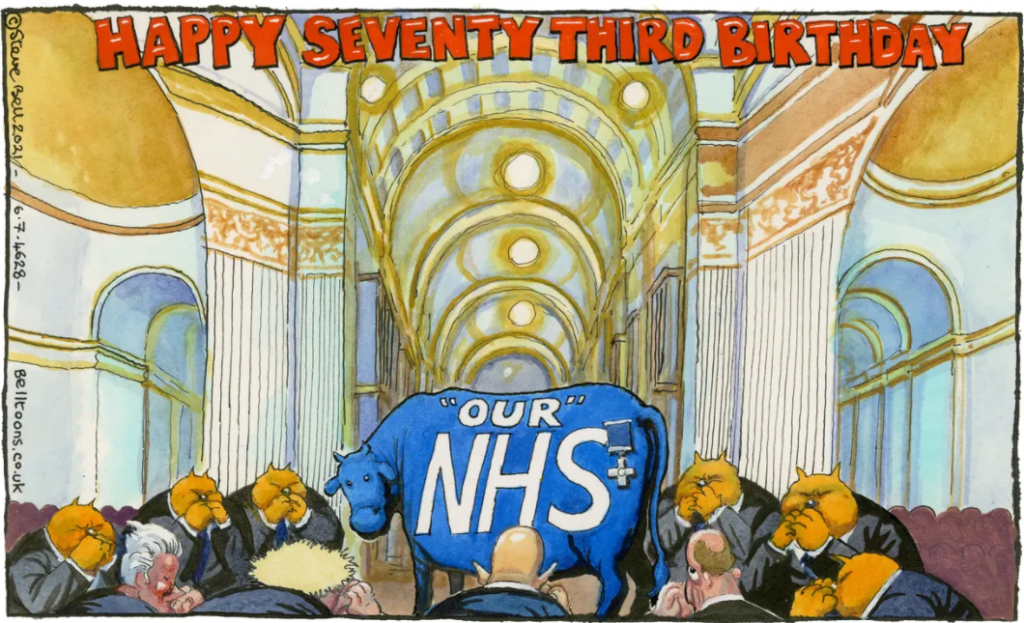
Happy Seventy Third Birthday

 10 Fairfield Close Exmouth EX8 2BNRef. No: 21/1753/FUL | Validated: Fri 25 Jun 2021 | Status: Awaiting decisionCoombe Cottage Alma Lane Sidmouth EX10 8JPRef. No: 21/1761/FUL | Validated: Fri 25 Jun 2021 | Status: Awaiting decisionParamount Musbury Road Axminster EX13 5JHRef. No: 21/1746/FUL | Validated: Thu 24 Jun 2021 | Status: Awaiting decisionWesterly Muttersmoor Road Sidmouth EX10 8RHRef. No: 21/1739/TCA | Validated: Fri 25 Jun 2021 | Status: Awaiting decision69 Green Close Exmouth EX8 3QBRef. No: 21/1737/FUL | Validated: Wed 23 Jun 2021 | Status: Awaiting decisionSummerhay Venn Ottery Road Newton Poppleford Sidmouth EX10 0BURef. No: 21/1728/FUL | Validated: Fri 25 Jun 2021 | Status: Awaiting decisionThe Old Workshop Kerslakes Court Honiton EX14 1FLRef. No: 21/1714/FUL | Validated: Fri 25 Jun 2021 | Status: Awaiting decision7 Bennetts Hill Sidmouth EX10 9XHRef. No: 21/1716/TRE | Validated: Mon 21 Jun 2021 | Status: Awaiting decisionDaleside Exton Exeter EX3 0PPRef. No: 21/1709/FUL | Validated: Mon 21 Jun 2021 | Status: Awaiting decisionCrossways Oakhayes Road Woodbury Exeter EX5 1JTRef. No: 21/1710/FUL | Validated: Mon 21 Jun 2021 | Status: Awaiting decision2 Honeysuckle Drive Honiton EX14 2YLRef. No: 21/1717/FUL | Validated: Wed 23 Jun 2021 | Status: Awaiting decisionLower Knoll Douglas Avenue ExmouthRef. No: 21/1702/FUL | Validated: Fri 25 Jun 2021 | Status: Awaiting decisionLoxbrook Farm Broadclyst Exeter EX5 3BNRef. No: 21/1697/LBC | Validated: Mon 21 Jun 2021 | Status: Awaiting decisionLoxbrook Farm Broadclyst Exeter EX5 3BNRef. No: 21/1696/FUL | Validated: Mon 21 Jun 2021 | Status: Awaiting decisionSteepyfields Cooks Lane Axminster EX13 5SQRef. No: 21/1690/FUL | Validated: Wed 23 Jun 2021 | Status: Awaiting decisionStout Mills Yarcombe Honiton EX14 9LZRef. No: 21/1679/LBC | Validated: Thu 24 Jun 2021 | Status: Awaiting decisionPine Ridge Higher Marley Road Exmouth EX8 5DTRef. No: 21/1682/FUL | Validated: Mon 21 Jun 2021 | Status: Awaiting decisionCleverhayes Farm Cotleigh Honiton EX14 9HQRef. No: 21/1681/FUL | Validated: Tue 22 Jun 2021 | Status: Awaiting decision11 Hornbeam Close Honiton EX14 2UBRef. No: 21/1677/FUL | Validated: Wed 23 Jun 2021 | Status: Awaiting decisionHigher Thatch Ebford Lane Ebford Exeter EX3 0QXRef. No: 21/1670/FUL | Validated: Mon 21 Jun 2021 | Status: Awaiting decisionUpexe Farm Upexe EX5 5NDRef. No: 21/1674/FUL | Validated: Tue 22 Jun 2021 | Status: Awaiting decision12 Grove Hill Colyton EX24 6ETRef. No: 21/1675/FUL | Validated: Wed 23 Jun 2021 | Status: Awaiting decision33 Maple Drive Exmouth EX8 5NRRef. No: 21/1661/FUL | Validated: Wed 23 Jun 2021 | Status: Awaiting decisionFiggins Church Road Lympstone Exmouth EX8 5JTRef. No: 21/1652/LBC | Validated: Wed 23 Jun 2021 | Status: Awaiting decisionFiggins Church Road Lympstone Exmouth EX8 5JTRef. No: 21/1651/FUL | Validated: Wed 23 Jun 2021 | Status: Awaiting decisionLand North Of Abbey Gate Axminster EX13 8TJRef. No: 21/1639/FUL | Validated: Mon 21 Jun 2021 | Status: Awaiting decisionCrealy Barton Sidmouth Road Clyst St Mary Exeter EX5 1DRRef. No: 21/1630/FUL | Validated: Mon 21 Jun 2021 | Status: Awaiting decision4 Oak Bridge Sidbury Sidmouth EX10 0SERef. No: 21/1628/LBC | Validated: Tue 22 Jun 2021 | Status: Awaiting decisionLower Westcott Farm Talaton Exeter EX5 2RNRef. No: 21/1595/AGR | Validated: Thu 24 Jun 2021 | Status: Awaiting decisionThe Chestnuts Goldsmith Lane All Saints Axminster EX13 7LTRef. No: 21/1603/FUL | Validated: Mon 21 Jun 2021 | Status: Awaiting decision198 Withycombe Village Road Exmouth EX8 3BDRef. No: 21/1593/VAR | Validated: Thu 24 Jun 2021 | Status: Awaiting decisionLand Off Hawkins Road Broadclyst West ClystRef. No: 21/1589/FUL | Validated: Thu 24 Jun 2021 | Status: Awaiting decisionElsdon House (Land At Orchard Cottage) Elsdon Lane West HillRef. No: 21/1565/OUT | Validated: Fri 25 Jun 2021 | Status: Awaiting decisionSolway Cottage Whitford Axminster EX13 7NWRef. No: 21/1506/FUL | Validated: Mon 21 Jun 2021 | Status: Awaiting decisionSolway Cottage Whitford Axminster EX13 7NWRef. No: 21/1507/LBC | Validated: Mon 21 Jun 2021 | Status: Awaiting decisionLittle Ash Farm Bungalow Fenny Bridges Honiton EX14 3BLRef. No: 21/1421/PDQ | Validated: Mon 21 Jun 2021 | Status: Awaiting decisionHorstone Farm Pinn Sidmouth EX10 0NNRef. No: 21/1405/FUL | Validated: Wed 23 Jun 2021 | Status: Awaiting decisionFrying Pan Car Park The Common ExmouthRef. No: 21/1444/FUL | Validated: Tue 22 Jun 2021 | Status: Awaiting decisionJoneys Cross Car Park Hawkerland Colaton RaleighRef. No: 21/1392/FUL | Validated: Tue 22 Jun 2021 | Status: Awaiting decisionFour Firs Car Park (Woodbury Common) WoodburyRef. No: 21/1443/FUL | Validated: Tue 22 Jun 2021 | Status: Awaiting decisionStowford Woods Car Park Colaton RaleighRef. No: 21/1442/FUL | Validated: Tue 22 Jun 2021 | Status: Awaiting decisionHighfield Garage Dunkeswell Honiton EX14 4QHRef. No: 21/1389/FUL | Validated: Wed 23 Jun 2021 | Status: Awaiting decision5 West Lodge Rousdon Lyme Regis DT7 3XPRef. No: 21/1387/TCA | Validated: Fri 25 Jun 2021 | Status: Awaiting decision
Boris Johnson is set to spark a political row this week by announcing plans to seize greater control of the NHS, despite warnings that the “power grab” will see ministers blamed for delays in treatment and closure of local hospital units.
Denis Campbell www.theguardian.com
The prime minister has told the new health secretary, Sajid Javid, to put the long-awaited health and care bill before parliament despite Javid’s own misgivings and concerns among hospital bosses and doctors’ leaders.
Conservative MPs are becoming increasingly anxious that the bill, which involves the biggest shake-up of the NHS in England in a decade, could become a damaging political drama, make people question Tory handling of the NHS and prove a gift to Labour, which last week called for the bill to be scrapped.
Javid is expected to lay the bill before parliament on Tuesday after the prime minister overruled his plea to delay its introduction until the autumn. Johnson has told Matt Hancock’s successor to press ahead with the legislation despite Javid’s concern that it will prove “controversial” and involves “significant areas of contention” which have yet to be resolved.
The health secretary’s new powers would enable him to abolish NHS arm’s-length bodies and intervene much earlier in deciding if an A&E or maternity unit deemed unsafe, over staffing problems for example, had to shut.
Hospital bosses have voiced serious concern to the Guardian about the government’s plan to hand Javid such big new “powers of direction”. The NHS Confederation and NHS Providers, the two groups which represent health service trusts, both warned that this could allow ministers to wield undue influence over the NHS and reduce its independence.
Matthew Taylor, the confederation’s chief executive, said health service chiefs were broadly supportive of the bill, which seeks to undo some of the most damaging effects of the last Tory overhaul of the NHS – then health secretary Andrew Lansley’s Health and Social Care Act 2012.
But, Taylor added: “They remain concerned that some of the proposals could lead to heavy handed ministerial involvement in day-to-day matters affecting the NHS, such as the closing or opening of new services for patients, which could go against the advice and expertise of local leaders who know what is best for their communities.
“We can’t risk playing political football with the NHS given the challenges it faces.”
NHS Providers cautioned that the heath secretary’s beefed-up powers could lead to service chiefs nationally and locally coming “under political pressure or interference”.
Saffron Cordery, its deputy chief executive, said: “There is no suggestion here that a publicly-funded service like the NHS should not be held to account. Rather, that the strategic direction is the domain of politicians, who should then allow the people involved in operational and clinical roles – with day-to-day responsibility for supporting patient care – the space to deliver those strategic objectives without undue political pressure or interference.”
The bill will replace the clinical commissioning groups Lansley’s reforms created with new bodies known as integrated care systems – regional groupings of providers of different sorts of healthcare working with their counterparts in social care.
Ben Howlett, a former Tory MP who is now the managing director of the Public Policy Projects thinktank, warned Johnson that the move could backfire.
“As a result of the new Health and Care Act, ministers will no longer need to horsetrade with NHS bosses to set priorities, as the secretary of state makes himself directly accountable for the provision of services,” Howlett said.
“MPs will for the first time in over a decade find constituents asking why there are long waiting lists and poor cancer outcomes without being able to write to [NHS England chief executive] Simon Stevens for answers. My advice to the new secretary of state – beware the law of unintended consequences.”
One health policy expert, who asked not to be named, said: “Politically this bill is a tricky sell, even though the government has an 80-seat majority. The penny is dropping among MPs that there’s more in the bill than just boring, technocratic NHS issues.
“How does this bill help tackle key NHS challenges like waiting times and chronic understaffing? It doesn’t. That may become a problem.”
The bill, which only relates to the NHS in England, does include plans to reduce some privatisation by removing the duty on the NHS to put care contracts out to tender. However, the British Medical Association, the doctors’ union, warned that it could lead to the new integrated care systems (ICSes) offering large contracts to private firms without any tendering process, in a repeat of the “Tory cronies” scandal, involving billions of pounds of deals for personal protective equipment (PPE) for NHS staff, seen during the Covid pandemic.
Dr David Wrigley, the BMA’s deputy chair of council, said: “We are concerned that private health providers like Virgin Care could be given seats on the boards of ICSes and therefore potentially be involved in deciding who gets what contracts. And we are very concerned that the bill could means that contracts are just handed out to the private sector, without a tendering process.”
The bill is the first of a series of important decisions that Javid, who is barely a week into his new role as the boss of the Department of Health and Social Care, will have to take in the next fortnight.
He and the board of NHS England are close to deciding who will succeed Stevens, who is stepping down this month after more than seven years in the job. Ministers want his replacement to have a much lower profile and not cause trouble by regularly lobbying in public for the NHS to be given more money and the government to radically reform social care, as Stevens has done.
The new NHS boss, whoever it is, will have significantly less power than that wielded by Stevens, as a result of the legislation.
Reports on Sunday said that Javid had ruled out Dido Harding, the Tory peer who runs the government’s heavily criticised test and trace programme. NHS bosses hope that will help clear the way for Amanda Pritchard, Stevens’ deputy, who is widely admired in the service after her stint running Guy’s and St Thomas’ hospital trust in London. Sir James Mackey, the chief executive of the Northumbria Healthcare trust, is also seen as a strong contender.
Javid, Johnson and the chancellor, Rishi Sunak, also have to decide imminently whether to increase the government’s 1% pay offer to NHS staff, which health unions have described as “pathetic” and “an insult”. The Royal College of Nursing is gearing up to hold its first-ever ballot of its 450,000-strong membership for possible strike action.
The NHS pay review body submitted its recommendations to Javid last week. It is thought to have advised that staff deserve more like a 2% increase, especially after their widely praised efforts during the Covid pandemic. However, the RCN is demanding 12.5%.
Teignbridge councillors have backed plans to tackle the number of empty homes in the area and bring them back into use.
Ollie Heptinstall, local democracy reporter www.radioexe.co.uk
Members of the ruling executive heard on Monday that, despite the total number more than halving since 2008, 345 homes in the district are still empty – 131 of which have been unoccupied for two years or more and are classified as ‘truly empty’.
The overall figure increased last year by 22: blamed on the impact of the pandemic and the temporary slowdown of the housing market during stricter lockdowns.
Councillors approved a policy to try to reduce the number of long-term empty homes, which includes possible enforcement action, compulsory purchase orders and enforced sales if owners fail to co-operate.
Presenting the empty homes policy document, Councillor Martin Wrigley (Lib Dem, Dawlish North East), portfolio holder for communities, housing and IT said: “We all know an empty home on the street can be not only problematic but a real source of problems.
“To get a better gauge we need to look at empty homes in two ways. Firstly, homes that are between occupants, waiting to obtain probate or undergoing renovation or a myriad of other specific reasons. Secondly, homes that are, as we might say, genuinely empty.
“Genuinely empty homes, or more precisely ones that have been empty for two or more years, and so start to attract increased council tax, can be a blight on their neighbours and the source of real issues in the street. This is a much lower number. This is about 131 in the district, of which under half have been empty for five years or more.”
Properties that do not classify for exemptions pay double council tax after being empty for two years: three times the rate after five years and four times after 10 years or more.
Cllr Wrigley also revealed that in the last two years the council had taken formal action on 59 properties.
The empty homes policy document states: “Bringing long term empty homes back into use helps the council address the needs of the district as well as attracting grant funding from central government – New Homes Bonus (NHB). In Teignbridge £27.6 million NHB has been raised over a 12 year period.”
“Targeting those properties which have been empty between six months and two years is more likely to have an impact on NHB and increase income for Teignbridge District Council, whilst properties which have been empty for two years or more are more likely to have a detrimental impact on neighbours and their surrounding area.”
It says the council will work: “directly and assertively with owners of unfurnished properties empty between six months and two years by encouraging them and providing tools and mechanisms to bring their property back into use”.
The document adds: “Where owners do not respond to attempts to communicate with them and there is no evidence that they are taking action to bring about reoccupation, or where the property has been identified as ‘high risk’ using the empty property risk assessment, a zero tolerance approach will be adopted and the most appropriate enforcement action considered to bring the property back into use.”
Discussing the proposals, Councillor Stephen Purser (Con, Teign Valley), asked if councillors could be told confidentially which properties are empty in their wards.
“Obviously being a rural patch, I suspect there are some little lane places that have been overgrown for years and possibly nobody knows about them,” Cllr Purser said.
In response, Councillor Alan Connett (Lib Dem, Kenton & Starcross and leader of the council), said GDPR rules would likely not allow the council to tell a councillor which homes were empty in their wards. “In my case for example it’s usually the neighbours who tell me. I can think of several in my ward that have been reported to me by concerned residents,” Cllr Connett said.
Cllr Wrigley added: “Certainly in my patch I’m told frequently about when there is an empty home. There was one in Dawlish in a particular street that was causing real problems for the neighbours. Working with the team, we’ve now got that one being restored and I think someone’s moving into it relatively soon.”
The council said that due to limited resources, it will prioritise Newton Abbot (including Kingskerswell and Kingsteignton), Dawlish and Teignmouth due to the “high housing need” in these areas.
BUDGET SURPLUS
It came as the executive also heard that the authority is currently operating at a budget surplus of £86,570 for the current financial year, as of the end of May 2021.
Corporate services are forecast to be just over £200,000 under budget, but leisure/green space service income has been hit hard by the pandemic and general rental income has been reduced.
Taylor Wimpey, one of the UK’s biggest housebuilders, opposed government plans to slash carbon dioxide emissions from new homes by at least three-quarters and argued against heat pumps, which are proposed as a replacement for gas boilers, one of the UK’s biggest causes of greenhouse gases.
Robert Booth www.theguardian.com
The company, which typically builds about 15,000 new homes a year, told a consultation that a target of cutting CO2 emissions from new homes by 75% to 80% from 2025 was “too high” and argued that heat pumps would be too expensive and would disappoint customers with their performance.
Its position was revealed through a freedom of information request by Unearthed, the investigations arm of the environmental charity Greenpeace. Housing accounts for 15% of UK greenhouse gas emissions, and that does not include electricity produced in power stations. Natural gas burned for heating and cooking is the main contributor.
It placed Taylor Wimpey in a small minority of only 2% of such responses to the government consultation into its future homes standard. The majority said the target was not ambitious enough.
Barratt, Berkeley and Thakeham homes all supported the target, as did the Home Builders Federation, which represents housebuilders, according to the response released under environmental transparency laws.
Greenpeace claimed it showed the housebuilder tried to derail an important climate policy, but Taylor Wimpey strongly denied this and said it was identifying challenges about the practical implementation of the cuts.
Housing emissions remain stubbornly high with only 1m tonnes equivalent CO2 cut from 2018 to 2019 compared with cuts of 8.5m tonnes from energy supply, 2.2m for transport and 2.5m by businesses, official figures show. Advocates for greener housing hoped the government would bring forward stricter limits on CO2 emissions for new homes to 2023, but they announced in February it would happen two years later.
Ministers are shortly due to publish a new heat and buildings strategy, which could set an end date for the use of household gas heating and plans for accelerating the installation of heat pumps, which are currently two to three times more expensive than combi boilers.
Taylor Wimpey told the government in the consultation, which ended in February 2020: “There is a lack of evidence to support the viable delivery of the future homes standard of 75-80% less CO2 emissions within the proposed timescale with existing skills training and supply chain availability.”
It said heat pumps would be less efficient, more expensive by up to £200 a year on a three-bedroom home and less reliable in colder weather.
Asked about its view last week, Wimpey said it recognised the need for urgency to mitigate the climate crisis and that its consultation response was intended to identify “challenges relating to the practical implementation of the proposals”, which “led to concerns that the delivery of viable and much-needed new housing could be prejudiced”.
It said it “remains fully supportive of the UK government’s target to achieve net zero emissions by 2050. We also embrace the future homes standard with its ambition to reduce carbon emissions from homes in use by 75-80% by 2025.” It added that it had cut carbon emissions from its building sites, offices and vehicles by 39% over the last eight years.
The government has pressed ahead with the policy to significantly cut carbon dioxide emissions from new homes compared with current building regulations on thermal performance, which are set to be changed next summer.
Greenpeace UK’s head of climate, Kate Blagojevic, said: “We urgently need government policies that force housebuilders to start building homes fit for a zero-carbon future because it’s clear the industry won’t do it by themselves. Not only will this slash emissions but it will also make people’s homes warmer, cheaper to run and, with the right incentives, create a domestic heat pump and green homes industry that would deliver new jobs and boost the economy.”
To most scientists, living with the virus means doing everything you can to reduce the risks, before taking the brakes off. It doesn’t mean taking the brakes off and just seeing what happens.
Linda Geddes www.theguardian.com
For months, the prime minister has repeated the mantra that further easing of Covid-19 restrictions would be about “data and not dates”. Yet, as coronavirus cases in the UK continue to surge, and scientists warn that fully reopening society risks building “variant factories” in our own back yard, the government appears poised to put one date – 19 July – ahead of everything else. Once again, politics has trumped science.
Since Sajid Javid’s appointment as health secretary on 26 June, the UK has confirmed a further 188,538 coronavirus cases, with approximately 25,000 extra people testing positive each day. On Sunday, Javid said that the best way to protect the nation’s health was by lifting the main Covid-19 restrictions, even though this would result in a further significant increase in cases. “We are going to have to learn to accept the existence of Covid and find ways to cope with it – just as we already do with flu,” he said.
Another mantra beloved both of politicians and scientists is that we’ll need to “learn to live with the virus”, though they often disagree on the timing of when this recalibration should take place. Until now, the government has also avoided specifying the meaning of this slippery phrase. Now that it is poised to set a date, we are about to learn what the health secretary’s vision of “living with the virus” actually means.
For Javid, a thriving economy is at odds with continuing Covid-19 restrictions. There’s no doubt that measures such as shutting down businesses and events, or instructing individuals and entire school bubbles to self-isolate if they come into contact with an infected person, are economically damaging and may be harmful to people’s mental, or even physical health. Other measures, however, such as the wearing of masks, are a mere inconvenience for most people, but they do reduce transmission – particularly indoors, when coronavirus cases are high. Doing away with them has nothing to do with the economy or people’s mental health; it is motivated by ideology.
No scientist is arguing that Covid restrictions should remain in place forever. “The frustrating thing is that we know double-vaccines work: they protect the vast majority of people, even from variants, even from Delta, so there is an endpoint to this,” said Stephen Griffin, professor of virology at the University of Leeds.
“The real worry is that that they’re basically saying it’s not going to be so bad, and we’ve got most people vaccinated so let’s just carry on. If you want to actually stop new outbreaks, and the tremendous damage done by this variant, you need to build your vaccine coverage up, to include, in my view, children aged 12 years and above, because that’s where many of the infections are at the moment, but also because there’s lots of socialising going on – and it is about to increase.
“Yes, we may eventually have to live with outbreaks and with some infections, but we’re nowhere near a herd immunity threshold, and it’s not a magic barrier that you go through – it is literally the more the merrier. You need to build that wall of double-vaccinated people, and if you do that you might not need boosters, because if everyone has that level of immunity then there will be no cases.”
Another frustration, among the government’s own advisers, is that ministers have repeatedly ignored their calls to make public spaces safer by improving ventilation.
“It is no good telling people to open windows if windows don’t open, as is the case in many public and private buildings – hence the need for ventilation grants for existing properties and ventilation standards for new builds,” wrote Prof Stephen Reicher and Prof Susan Michie – two members of the Sage subcommittee advising on behavioural science – in a recent blog for the British Medical Journal. Neither is it any good telling people to avoid stuffy spaces if they don’t know which ones are well-aired, they wrote, or telling the owners of public and private buildings to improve ventilation without regular inspections and enforcement.
To most scientists, living with the virus means doing everything you can to reduce the risks, before taking the brakes off. It doesn’t mean taking the brakes off and just seeing what happens.
So the pressure will be on to build more second/holiday homes, caravan/chalet sites and “pop up” glamping sites – Owl
Molly Dowrick www.cornwalllive.com
A councillor from up North has been left gobsmacked after being quoted £71,000 for a one-week holiday in Cornwall.
Far from a luxurious holiday abroad, or even a posh five-star hotel in the UK, Conservative councillor from East Riding in Yorkshire, Paul Nickerson was taken aback when he was quoted £10,232 per night to rent a “modest” three-bedroom house in St Ives this August – £71,624 for the week.
Mr Nickerson had hoped to bring his three young sons aged five and under to St Ives for a lovely staycation at the popular beauty spot, but after being quoted such an overwhelming sum, he has decided to change the family break to a week’s holiday at Bridlington on the Yorkshire coast.
Cllr Nickerson told HullLive: “Everything I have seen is about 50 per cent more than their normal price. We have a young family so we normally do have a UK staycation as it’s easier.
“”But it’s normally affordable for a family, but this was shocking.
“I thought it must have been a mistake, but having checked other properties, it is clear it isn’t, as they’re all far more.”
Mr Nickerson said holiday home owners and holiday companies are “exploiting” the lack of available properties and that fewer people will be going on holiday abroad this year, due to Covid-19 rules and the financial impact of the pandemic on families.
It’s a supply and demand issue and they’re exploiting it,” he said. “A lot of people in the UK need and want a holiday, but many will not be able to afford them.
“I don’t know anyone who can afford £71,000 for a week’s holiday.”
The holiday firm labels the property a “wonderful, contemporary, waterside house” and says it sleeps six across three bedrooms and has two bathrooms with two “full baths”.
The average price to rent the house is £10,000 per night and Councillor Nickerson was quoted £10,232 per night for a one-week stay from August 14, 2021.
This equates to a total of £71,624 – even if the house was fully-occupied with six adults, it would still cost each person an eye-watering £11,937 for a week.
The property’s description reads: “This is a contemporary, reverse level property ideal for families.
“It is furnished to an exceptional standard and is 200m for the train to St Ives and 10 minutes to a wonderful largely deserted beach.
“The spacious garden is ideal for children and BBQs. There is parking for up to five cars.”
This isn’t the first time a holiday company has been criticised for charging thousands of pounds for a short holiday in Cornwall.
In May, one night in a two-bedroom villa at the Carbis Bay Hotel – which hosted the G7 Summit – cost £3,500. But the stay did include free WIFI and a “very good breakfast,” so I guess that’s ok!
Plus, a former council house turned holiday let in St Ives was charging £7,000 for a one-week stay.
The former run-down detached three-bedroom cliff side property on Porthmeor Hill was owned by Devon and Cornwall Housing (DCH) – now called LiveWest. It sold for £1.4 million at an auction in London in 2017, and DCH said proceeds of the sale would fund at least ten affordable homes in Cornwall.
The new owners, Mr and Mrs Harris, demolished the property in 2019, to build a luxury house and increase the number of parking spaces to two.
It has been transformed into what has been described as a modern day beach house with ‘understated luxury’.
Bookings are now being taken for 2021 and 2022. However, the cost of staying there – which varies from between £3,149 to £7,395 for a week stay, and £2,624 for a two-night break between November to March – has been criticised by locals, along with the fact it is a holiday let.
One person said on the Cornish Gems Facebook page: “The prices are obscene. Pure greed.”
Roll up, roll up. Get your Cabinet Minister here. It’s that time of year when politicians are put out to market.
Anna Mikhailova www.dailymail.co.uk
For the princely sum of £18,000, a big beast can be lured to attend an event at the Tory party conference in October. And there’s no need to be part of the chumocracy that has sold PPE to the NHS.
Lobbyists and businesses have been sent the ‘price list’ ahead of the Manchester shindig, which will be a ‘hybrid’ gathering – combining actual stalls and virtual tours.
Anyone feeling more generous can spend £24,000 to go to a special breakfast with party co-chairmen Amanda Milling
The £18,000 allows firms to host a ‘themed event on a specific of their choice’, make a speech and host a discussion all in the presence of a Cabinet Minister.
Tory chiefs even offer to work with the business to ‘generate awareness’ of the topic they are most ‘passionate’ about.
Anyone feeling more generous can spend £24,000 to go to a special breakfast with party co-chairmen Amanda Milling and Ben Elliot.
All exhibitors are entitled not only to visits from ‘senior members of the Cabinet’ and access to something called a ‘business card fishbowl’. Another Tory money-raising wheeze is for people to pay £19,800 to have their business logo printed on a conference bag. My mole says: ‘For that, I assume they are woven by Boris himself from Welsh gold.’
Either that or he is already recycling his wife’s £840-a-roll gold wallpaper…
“If a secondary access is not provided, the outline consent will not be implementable until such time as the wider allocation is developed, simply because there will be no access. That will have an impact on the council’s ability to re-establish a five year housing land supply.”
Daniel Clark www.devonlive.com
Only one of the near-600 people who responded to a consultation over plans that could see part of a play park in Barnstaple used to provide a second access road to a new housing development were in favour of such a move.
North Devon Council own the freehold of the land at Westacott, but developers Progress Land had approached the council for permission to purchase some of the land to access their site of an approved in outline urban extension of 149 homes at Westacott, with a price agreed.
A small section of the park would be used to put in a new access road, which would take away just over 10 per cent of the existing area of the park, and then would be replaced with a bigger play area including a brand new multi-use games area, upgraded play equipment and an improved playing pitch.
Councillors had previously agreed to consult the public over the scheme, and North Devon Council’s strategy and resources committee, when they meet next Monday, will be asked to make a decision over whether or not to proceed with the disposal of the land.
But the report to the meeting outlines that of the 579 responses that the council had, 578 of them were opposed to the move, with only one in favour.
Although 84 per cent of the responses were responses to a standardised community survey created by a local councillor, the report says that ‘there is clearly significant opposition to a disposal’, although reminds members they should however consider the reasons for opposition put forward and not simply consider the overall numbers.
The report of Jon Triggs, head of resources, adds: “The reasons for objection include but not limited to overlooking the park, creating a rat run, pollution, contradiction to the council’s environmental policy, detrimental to property sale values, danger to children walking to school, noise of traffic, loss of green space, air pollution and destruction of wildlife habitat.
“There was one email of support stating the existing park is tired and limited, and that gaining an improved area, MUGA and large space overall is a major positive.
“Many of the issues raised by the responses are issues that were taken into account both as part of the process for allocating the site and identifying this route as a potential secondary access, and also dealt with as part of the decision to grant outline consent with a secondary route through the open space.
“There is clearly significant opposition to a disposal, but members should however consider the reasons for opposition put forward and not simply consider the overall numbers.”
The developer submitted their reserved matters application for the scheme, which would see 134 homes built on the adjacent site, but the report says that if the secondary access across the park is not allowed, then it would almost result in the scheme not coming forward until Barwood Land’s masterplan to transform a nearby 59-hectare site into a ‘new gateway to Barnstaple’, with around 800 new homes, was developed.
Mr Triggs added: “The policies in the Local Plan envisaged that there might be other options for provision for secondary access and the developers have looked to see if they could secure an alternative access to their site by utilising the adjacent industrial estate at Castle Park Road, however this has proved to be unsuccessful to date.
“This alternative access involves private land owners also has other constraints, not least the fact that it would pass through a flood zone and therefore subject to a sequential test and would also be using roads that are unsuitable.”
The Local Plan states that the purpose of the secondary access is to improve links between Whiddon Valley and the Link Road and alleviate congestion at the Rose Lane roundabout, and Mr Triggs added: “When taking the decision, members must therefore consider the impact on the development and on the wider strategic extension, in particular on the sustainability of that development if the links to the town centre cannot be created and on the delivery of the council’s own adopted strategic policies.
“If a secondary access is not provided, the outline consent will not be implementable until such time as the wider allocation is developed, simply because there will be no access. That will have an impact on the council’s ability to re-establish a five year housing land supply.”
When the consultation was launched, deader of North Devon Council, Cllr David Worden, said: “We know the issue is controversial but we need to make sure that everyone understands fully what is being proposed and lets us know what they think before we make any decisions.”
A decision will be made at the strategy and resources committee meeting on Monday, July 5, with no recommendation made by the officers as to whether to proceed with the proposed disposal of the land.

Those opposed to the scheme made their feelings known at a gathering at the park on Wednesday, June 30 when Devon Live and the BBC spoke to anxious residents.
Among them were Marcella Priest, who says this plan is not the first time the park has come under threat.
“Our message to councillors is that we do not want a road through this park,” she said.
“It’s the heart of the community and everybody uses it from foster carers, parents, babies, joggers and children playing football. Children at Orchard Vale Primary School use this park, factory workers use it to take a break during the daytime.”
She explained that they enjoyed a ‘good size’ football pitch and to move the goalposts and downsize it would be ‘a disgrace’.
She continued: “Why should we have to cross another road or have it on a hill?
“There are also people on mobility scooters and elderly people as well. They don’t want to have to walk up a hill either. Why should we have to walk further to get to another park?.
“I’ve been here 33 years, I’ve had four and I’m a foster carer; this park means a lot to me.”

She said that the council had previously promised not to sell the land and now North Devon had ‘picked on the wrong community.’
“The proposal to sell the land is back on the table and we’re cheesed off with it. It has been going on for many years, and we just want some peace.
“We’re not putting up with it anymore. They have got an offer of money on their table, but we’ve got love of our community on our table. Hopefully, they will show us that they are not all about money and greed.”
Another resident, Hillary Brooke added: “One of the problems we have is North Devon Council are not a highways authority, and in fact, Devon County Council’s highways authority have come up with alternate routes other than a road through the park.
“The district is still sticking to their totally flawed plans.
“If approved it is going to create pollution, which is excessive to say the least. It will particularly affect children and in effect, poison them.”

Marie Moore, a former Landkey councillor said to ‘trash’ the park with a road would not honour those who fought for a recreational ground to be located at Westacott in the first place.
“Many years ago, before the park was even a park and was just grassland, a councillor and former teacher, Dave Butt, who’s no longer with us and sadly passed away two years ago helped me as a Landkey councillor get what we’ve got today,” she said.
“Trashing his memory is not on the books. I think it’s a shame that they want to do this and put a road through. I think it’s just diabolical.”
She said that her children and grandchildren treasured the facility.
“My kids rode their bikes around here and played on the equipment, so to do what they want to do by putting the road through makes me very angry.
“This is a hub. It’s the only green space we’ve got. Working at school we bring our children here. We do a toddle and sports days here and picnics in the sunshine.
“These little ones aren’t going to be able to walk all the way over to where they want to put a new park. To make children do that isn’t appropriate when we’ve got a perfectly good space already.”

North Devon and County Council members representing Barnstaple who do not sit on the Strategy and Resources Committee, also attended to show their support.
Caroline Leaver, a district council member and Devon County Council representative said that during the election campaign in May it became ‘hugely clear’ that the community needed somebody to stand up for them.
“As a county councillor, I’m in a very good position to do that,” she said.
“I think that there is concern that on the one hand, we’ve got a Local Plan which was approved back in 2018. We have an outline planning application and we have to asses every application on its merits, but at the same time, we have huge public feeling against this.
“Some of the reasons for the allocation of this land has been to do with highways. I have been in touch with the highways authority officers who tell me that it’s not necessary to have a road through here.
“I think on North Devon Council, there is a feeling that it is difficult that after years of funding cuts from central government, we are in a really difficult financial place. For some, I think money on the table will matter more. For me, nothing is more important than the communities we serve.
“It is a difficult decision that the council has got ahead of it, but there’s no doubt in my mind that there has never been more clear results from a community consultation than this one.
“If approved, it will send a message that money counts more than people. That would be an absolute travesty for people who have been fighting for this for years.
“It would also send a message that the government needs to really wake up and understand that community matters and the way in which they underfund, particularly rural councils, puts a lot of pressure onto local authorities.”
Councillor Nichola Topham added: “The mood against these plans is overwhelming.
“The vast majority of people here today and the amount of respondents to the public survey and the separate survey that was done have spoken. They have voiced the fact that they don’t want to sell the park and have a road through it.
“I think as elected members, we need to remember the reason why we’ve been elected.
“It’s not our ward, but the ethos is still the same. We’re we’ve been elected by the people of North Devon to represent their views.”
Here, on one escalator, “Watchers” can see every variation of mask being used in a crowded space.
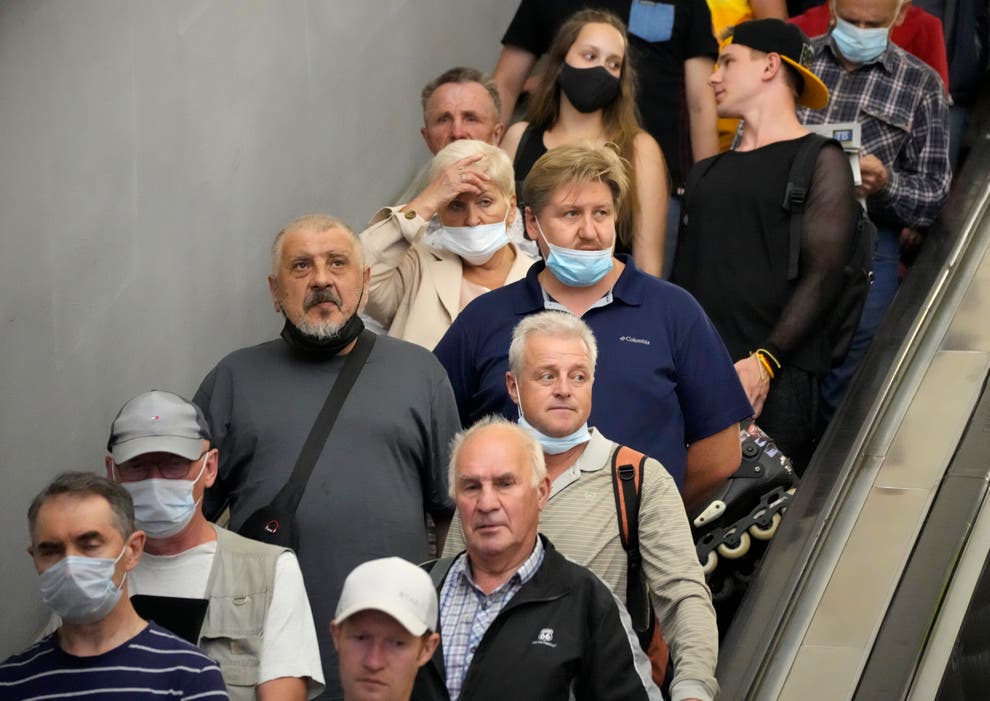
Leading doctors from the British Medical Association (BMA) are urging the government to keep some measures in place after 19 July in England to restrict the spread of coronavirus amid an “alarming” rise in cases.
The association warned that maintaining some protective measures was “crucial” to halt the spread of the coronavirus delta variant, which accounts for approximately 95 per cent of confirmed cases across the UK.
The latest figures from the Office for National Statistics (ONS) show that about one in 260 people in private households in England had Covid-19 in the week to 26 June – up from one in 440 in the previous week and the highest level since the week to 27 February.
The prime minister, Boris Johnson, is confident he can go ahead with the final phase of his plans to end England’s lockdown on 19 July to “get back to life as close to it was before Covid”.
Earlier this week, the new health secretary, Sajid Javid, also confirmed his intention to go ahead with Step 4 of the road map but didn’t explain to MPs what that would entail.
Dr Chaand Nagpaul, BMA council chair, said easing restrictions was not an “all or nothing” decision and that “sensible, cautious” measures will be vital to minimise the impact of further waves, new variants and lockdowns.
The measures would include the continued use of wearing masks indoors and on public transport and “significantly improved” public messaging stressing social distancing and meeting outdoors or in well-ventilated spaces.
Dr Nagpaul welcomed the government’s decision to push back on the lockdown easing last month based on data. Still, he warned that the ministers must not simply disregard the most recent, damning numbers by rushing into meeting their new 19 July deadline.
“We have made excellent progress with both the vaccination campaign and individual action from people across the country over the last 18 months, and the government must absolutely not throw this away at this critical juncture.”
Despite an uptick in Covid infections, Dr Nagapul said that the hospitalisations remained low and stressed that the BMA was not asking for a “full delay” of 19 July but a series of “targeted measures” to help prevent transmission of the virus.
Public Health England figures show a total of 161,981 confirmed and probable cases of the Delta variant, up by 46 per cent on the previous week.
All the arguments why it’s not in the government’s interest to let prices fall and especially not crash. – Owl
“There is also only a slender link between more homes being built and prices falling. As long as property is viewed as an investment, the demand is there.“
Phillip Inman www.theguardian.com
House prices are soaring and gazumping has returned in property hotspots. The average cost of a home jumped by 13.4% in June from the same month last year, according to Nationwide building society.
This is more than four times the 3% annual rate of growth in wages during April and more than six times the 2.1% increase in consumer price inflation (CPI) registered in May. According to upmarket estate agent Knight Frank, figures out next month are likely to show sales across Britain hitting an all-time record.
Despite all the turmoil sparked by the pandemic, some things have remained the same, and one of them is the British obsession with property. While the order for millions of workers to stay at home looks set to alter their view of how and when to work, and a desire to be green will temper their consumption habits and holiday destinations, the love of bricks and mortar remains supreme.
Lots of people – and not just the wheeler-dealers who clutter the Sunday Times rich list – have become very wealthy from residential property. Shares in housebuilders have soared since 2012 when then chancellor George Osborne propped up the market for newly built homes with his help-to-buy scheme. Persimmon, the UK’s second-largest housebuilder, has seen its shares increase sixfold in the past 10 years, from £5 to £30. The shares are currently worth double their pre-financial-crisis peak of £15.
Pension funds have profited from owning these shares and done little to stop the builders’ top bosses from being awarded bulging bags of cash. In 2017, former Persimmon chief executive Jeff Fairburn was awarded £110m, which he said he would share with a new charitable trust. In February this year the Guardian revealed he had to that point kept it all to himself.
Studies confirm that all the taxpayer subsidies have done is line the pockets of the industry, but it doesn’t seem to matter. As long ago as 2017, investment bank Morgan Stanley calculated that £10bn of help-to-buy subsidy had done nothing to make homes more affordable for first-time buyers, which was the intention, but had instead disappeared into the bank accounts of the industry’s dominant businesses.
There is also only a slender link between more homes being built and prices falling. As long as property is viewed as an investment, the demand is there.
Osborne is one of those to have gained from our buoyant property market. He bought a home in 2006 in London’s Notting Hill for £1.85m and sold it earlier this year for £3.95m.
At 50, Osborne is at the bottom end of the age range for people who have played and won on the property wheel of fortune, not least because the older generation has the resources to put down deposits on second, third and fourth homes. The Intergenerational Foundation has shown that the proportion of over-65s who own their home has risen this century, while it has fallen in all other age groups.
Economists worry about the inequality created by rising property prices, though their main focus is on the instability this creates and the potential for disastrous – and costly – recessions.
The Geneva-based Bank for International Settlements (BIS), which advises the world’s central banks, said in a report last week that all major economies needed to be mindful of rising property prices becoming detached from wages. It warned that when ordinary homes were out of reach of people on average wages, it caused a bubble that might one day burst.
This we know from bitter experience. What we also know is that the central banks of all the major economies have pledged to do whatever it takes to prevent a property slump. A dip is OK, but a major correction would be too damaging. The last one is fast disappearing in the rear view mirror. It was in 1989-90.
Threadneedle Street is concerned at the sheer weight of spending connected to property, from furnishings to new patios. Outside the humming property market, a good chunk of the economy is moribund.
There is support from ministers concerned that older, property-owning voters will turn against them if prices are allowed to dive. From the ministers’ perspective, it helps that interest rates are almost zero, and have been since the crash of 2008.
The BIS wants central banks to plan for interest-rate increases some time over the next five years to choke off the current boom.
Maybe rates will rise slightly over that time, but not by enough to trigger a housing crash. That cannot be allowed to happen: the economy and Tory politics say so.
Diane Abbott posted this tweet after the Hancock revelations but before Sajid Javid was announced as his successor…

So did she get an inferred answer by reading between the lines of the articles and posts Sarah Vine wrote ostensibly about the Hancock affair during last week?
www.theguardian.com (Extract)
[Sarah] Vine, who is godmother to one of David and Samantha Cameron’s children, raised eyebrows last week when she wrote about how Matt Hancock’s resignation as health secretary after having an affair with his adviser – and breaking Covid rules with someone outside his household or bubble before it was allowed – showed that Westminster life could drive a wedge between partners.
She praised the Camerons’ commitment to one another, saying that “every time he seemed in danger of drifting away on a cloud of self-importance (usually after a few glasses of wine), she would bring him back down to earth”.
“Westminster is a place of myriad distractions for the politician seeking refuge from his or her home life,” Vine continued, adding that because power is an “aphrodisiac”, it was possible to understand “how you can go from being happily married to the kind of person who gets caught so unfortunately on CCTV”.
She added: “The problem with the wife who has known you since way before you were king of the world is that she sees through your facade” and that there were some politicians who could walk away from power and others “who will compromise everything for the sake of it”.
Westminster changes people, Vine said, commenting on how wives of senior politicians “are still more or less the same person they were when they got married” but their husbands sometimes were not.
“Climbing that far up Westminster’s greasy pole changes a person,” she wrote. “And when someone changes, they require something new from a partner. Namely, someone who is as much a courtesan as a companion, one who understands their brilliance and, crucially, is personally invested in it.
“Not someone who thinks it’s all a monumental nuisance and wishes they would get a proper job that doesn’t involve people poking cameras in your face and commenting on your poor choice of footwear.” The insight caused a stir among some commentators.
Labour are calling for “clarification” of the Gove “household” arrangements; but friends of Michael Gove insist no-one else is involved
Labour calls for Michael Gove to ‘tell us who you were living with’ dismissed as smear
www.telegraph.co.uk (Extract)
Friends of Michael Gove insisted on Saturday night that he had been living at his family home throughout the pandemic, as they accused Labour of “shameful” smear tactics for suggesting otherwise.
The comments came after the shadow home secretary said Mr Gove must “clarify” his “household” arrangements, following the announcement on Friday that he and his wife Sarah Vine are divorcing after 20 years of marriage.Nick Thomas-Symonds said although the Cabinet Office minister, 53, was entitled to a private life, he should “clarify” whether social distancing guidelines had been breached, because he had been key to drawing up government rules on how people behaved during the pandemic.
If you are minded to see conspiracy and cover-up everywhere, you will get an eye full here:

Dozens of protests have called for an end to underfunding and understaffing in the NHS across England, Scotland and Wales to mark the health service’s 73rd anniversary.
Mattha Busby www.theguardian.com
Campaigners from Keep Our NHS Public said they wanted an end to health service privatisation, better pay and to highlight threats to patient safety due to working conditions.
Outside University College Hospital in London on Saturday, NHS health workers and activists chanted: “Boris Johnson hear us shout, pay us properly or get out”. They also begged for the NHS to be kept alive, as it continues to face structural reforms that many say damage efficiency and see some services in effect privatised.
Nearby, a critical care nurse said NHS staff had been so “battered” by the pandemic that “a lot of us are still carrying scars … We’ve seen things we shouldn’t see and its broken a lot of our nurses”, Dave Carr, also a Unite representative, told Sky News.
“The NHS is in an existential crisis. We love the fact we are trusted by the British public to look after their sick [relatives]. So I want them to trust us now when we say if we don’t get a pay rise we are going to continue to haemorrhage nursing staff. Patient safety is already compromised; our NHS is crumbling and around the edges the vultures are privatising lumps of it. It’s on a knife-edge.”
There was anger in March when the former health secretary Matt Hancock recommended a 1% increase for nurses and doctors in consideration of what he said was “what’s affordable as a nation”.
On Friday, the British Medical Association said it planned to ask members about taking industrial action and halting paid and unpaid overtime if the government’s pay offer was not closer to 4%, after years of real terms cuts. The Royal College of Nursing also said it was considering balloting for action over the “slap in the face” pay offer.
Before the protests, co-chair of Keep Our NHS Public Dr Tony O’Sullivan, said the founding principles of the NHS, to institute universal free healthcare, were undermined by government underfunding of the NHS, while “giving priority” to investment with private health companies.
“The weakened NHS has been stretched to breaking point by Covid and the population has suffered,” he said. “Staff are underpaid, overworked and their health put in danger. The new health bill threatens further large scale private contracting.”
Holly Turner, an NHS nurse and founding member of campaign group NHS Workers Say No, said: “I have been dealt over a decade of real terms cuts to my pay despite my workload only continuing to increase. Staff have been victims of avoidable deaths and illness while crony contracts and profit has been placed above workers’ safety. We are struggling to keep our patients safe due to chronic understaffing and unmanageable waiting lists.”
John McDonnell, former Labour shadow chancellor, told a rally outside Downing Street: “We’ve all known people who have been lost in the NHS as a result of this, in my local hospital we lost one of the matrons in the early stages of the pandemic. We cannot let their lives be in vain; they gave their lives to save their patients … We’ve got to ensure in honour of them we save the NHS.”
Almost 800,000 people have signed a petition set up by a nurse from Merthyr Tydfil, Wales, which says the weekly national rounds of applause, broadcast with images of ministers clapping, is “a nice gesture” but that what they most want is for NHS workers to be given a 15% pay rise.
The protests come as the NHS turns 73. More than 70 landmarks across England will be lit up in blue on Saturday to thank staff for their work during the pandemic and commemorate the hundreds of NHS workers who died in relation to Covid.
The NHS chief people officer, Prerana Issar, said: “Each of the colleagues who sadly died while caring for and protecting patients represents an irreplaceable gap in a family and a workplace.
“It is no exaggeration to say that health service staff have helped to keep the country going during the pandemic, and while NHS staff have rightly been celebrated for their contribution, we know that the role played by other key workers – people keeping supermarkets open, refuse collectors, childcarers and other public services – as well as the resilience of the general public, has helped ensure we can start to move forward.”
Forty-six disused railway bridges under threat of being filled in have been given a reprieve amid mounting anger over “vandalism” caused by the policy.
Graeme Paton, Transport Correspondent www.thetimes.co.uk

Before: The bridge in Great Musgrove, Cumbria, declared unsafe
The Times has learnt that the number of bridges and tunnels on a target list drawn up by Highways England has been quietly cut from 115 at the end of last year to 69 now. The work will be carried out over the next five years.
It is understood that the 40 per cent cut has been driven by new assessments of the bridges combined with possible deals with local councils to carry out repairs as an alternative to infilling.

After: Campaigners said pouring aggregate under the bridge was “vandalism”
This includes one 162-year-old bridge designed by Isambard Kingdom Brunel near Saltash, Cornwall, which had been earmarked for infilling just ten months ago because it was in a “deteriorating condition”.
Highways England now says that it has no current plans to plug the bridge.
The disclosure prompted claims from campaigners that the entire infilling policy was unjustified. There has been anger over the approach particularly after tonnes of aggregate were poured beneath a bridge at Great Musgrave near Warcop, Cumbria, amid warnings from Highways England that it was unsafe. Heritage groups branded the work as “vandalism” and claimed it would have cost just £5,000 to repair it.
Highways England manages 3,200 structures on disused railway lines across Britain on behalf of the Department for Transport. It has identified a series of bridges and tunnels to be infilled or demolished after judging they are at risk of collapse, with maintenance and upgrade costs too high.
However, heritage campaigners said that most bridges are in good working order and many are on disused lines that are earmarked as future cycling and walking routes. Some could be reopened for railways, it has been claimed. The campaigners fear that the policy is being pushed purely because Highways England no longer wants to be liable for the structures.
Yesterday, the government-owned company said that the original list included structures that were “in the process of being assessed for maintenance”. It said that “suitable schemes for 46 bridges from that list remain in development”.
Richard Marshall, Highways England’s historical railways estate director, said: “Most of the 3,200 tunnels, bridges and viaducts that make up the estate were built well over 100 years ago. We will spend £13 million this year on keeping the public safe when using these structures . . . We also recognise their wider social value, and we work with local authorities and other organisations to help them find viable ways to re-use these structures wherever possible. Our remit is to keep old railway structures safe but we aren’t funded to re-purpose them.”
Graeme Bickerdike of the Historical Railways Estate Group, an alliance of engineers, cyclists and heritage campaigners, said: “This apparent 40 per cent reduction in the number of at-risk structures exposes the deceit Highways England has been peddling for the past five months in persistently claiming that these bridges are a threat to public safety and have to be infilled . . . How can we trust their judgment about the remaining 69?”
Many “watchers” are ahead of Owl this morning in refreshing their memories of Sasha Swire’s innuendo riddled description of Michael Gove’s “manhood”.
The Gove/Vine split is reported in the Telegraph under the intriguing headline:
Michael Gove and Sarah Vine split raises Covid distancing questions
The article reports:
Michael Gove on Friday night became the second senior Cabinet minister in a week to split with his wife as Downing Street refused to say whether any social distancing rules had been broken.
Fears are growing for the ability of health services in the Westcountry to cope with a predicted influx of hundreds of thousands of tourists this summer.
From today’s Western Morning News
With coronavirus restrictions putting many foreign trips off-limits, around 23 million Britons are planning UK staycations this year.
Cornwall comes top and Devon in third place on a list of destinations chosen by staycationers as the best place for a break at home.
But the predicted influx has prompted renewed efforts by NHS Kernow, which provides health services in Cornwall, to issue a series of warnings to people all over Britain not to put the Duchy’s health system under strain when they come away.
Using national advertising, including promotions on the popular music-sharing website and app Spotify, health bosses hope to target younger visitors and make sure they know how to access healthcare without swamping already over-stretched services.
Pressure is building at Truro’s Royal Cornwall Hospital, where on more than one occasion this week more than 20 ambulances have had to queue outside the hospital’s emergency department.
Truro MP Cherilyn Mackrory said the hospital and its A & E department was not at crisis point, despite it being at ‘Opel-4’, or black alert – the highest level of pressure. She said the government was providing huge support to Cornwall.
Newquay and St Austell MP and a junior health minister Steve Double said getting on top of the post-pandemic crisis was “a national challenge and one we are experiencing in Cornwall as well.”
A third English local authority has declared itself effectively bankrupt after the discovery of a “catastrophic” £100m black hole in its budget – the result of what it admitted had been years of poor financial management and mishandling of commercial investments.
Patrick Butler www.theguardian.com
Labour-run Slough borough council in Berkshire issued a section 114 notice on Friday, after admitting it could not meet its legal obligations to meet planned running costs. Without drastic remedial action it warned its financial deficit could rise to £150m by 2024.
As a consequence, the council is to impose “rigorous spend control measures” that are likely to mean significant job losses, cuts to services, and the sale of buildings and land, to ensure it can “live within its means” in the long term.
Slough is the third English council to become effectively insolvent in the past three years, following Northamptonshire and Croydon, and its predicament reflects a much wider precariousness in local government. The National Audit Office warned in March at least 25 authorities were on the brink of bankruptcy.
Eight councils, including Slough, were told earlier this week they faced an independent government-commissioned review into their finances as ministers decided whether to bail them out financially. The others are Bexley, Copeland, Eastbourne, Luton, Peterborough, Redcar & Cleveland, and Wirral.
Although Slough said its finances had been hit hard by the impact of Covid – leading to a collapse in council tax and business rates income – a report by its chief financial officer, Steven Mair, made clear the problems were deep-rooted and linked to accounting errors, lax financial controls and poor decisions.
“Slough’s financial problems have not arisen in the past few months. The approach to financial decision-making, leadership and management, processes, quality assurance and review etc that has been adopted by the council over a number of years was not robust and consequently highly detrimental to the council,” Mair’s report said.
Many of the problems recently uncovered related to previous years, the report said, and had they been know about at the time it is likely that the council would have been unable to meet its legal duties to set a legally balanced budget – raising the prospect it could have been technically insolvent as early as 2019.
These shortcomings included weak management and oversight of a number of companies partly or wholly owned by the council, exposing it to “significant financial risk”. The council has borrowed £580m since 2016, and the cost of servicing these loans added to the pressures on its budget.
An audit revealed in May that the council’s reserves – thought to be £7.5m – were only £500,000 after it emerged they had been drained to correct an accounting error made two years previously that had overestimated the council’s income from a commercial joint-venture, Slough Urban Renewal.
The local government secretary, Robert Jenrick, said: “Slough council’s financial position and clear mismanagement is deeply concerning and completely unacceptable – local people deserve better than this from their local council leaders.
The leader of the council, James Swindlehurst, said: “The process of repairing council finances continues and our commitment to the provision of essential services remains unchanged: bins will still be collected, potholes still filled, care still provided to our most vulnerable.”
However, the opposition Conservative group leader, Wayne Strutton, said Slough’s plight was “a consequence of years of financial negligence and over-ambition by the Labour administration. It is time that those responsible for this financial catastrophe are held accountable.”
Slough had approached the Ministry of Housing, Communities and Local Government (MHCLG) in December for approval to spend £15m of capital loans on funding day to day costs. However, the section 114 report said the emergence since March of a growing number of financial issues meant this sum was not enough.
Last week, the Tory-run Peterborough council was told by its auditors than even with £24m of government bailout loans agreed in February it would need more government financial support or be forced to undertake a “significant unplanned reduction in services” to remain financially viable.
“Whilst we have found that the authority has responded appropriately to its deteriorating financial position, we have serious concerns about the authority’s current and future financial resilience and ability to remain viable following the Covid-19 outbreak,” a report by auditors Ernst and Young said.
Funding for deprived schools in England has shifted to wealthy areas, study finds
Sally Weale www.theguardian.com
Government promises to level-up funding in education have resulted in money being shifted away from schools in the most disadvantaged areas and invested in pupils in more prosperous areas of England, according to the official parliamentary spending watchdog.
A report by the National Audit Office (NAO) found average per-pupil funding in the most deprived fifth of schools fell in real terms by 1.2% between 2017-18 and 2020-21, while it increased by 2.9% in the least deprived fifth.
It follows the implementation of the government’s new national funding formula in 2018-19 which introduced a minimum level of per pupil funding across England, triggering increased payments to schools in wealthier areas of the country with traditionally lower funding levels and leaving schools in cities with high levels of deprivation worse off.
The report was published on Friday amid mounting evidence elsewhere of the disproportionate impact of Covid on already disadvantaged pupils. Official new government data revealed that disadvantaged pupils who were eligible for free school meals (FSM) had higher rates of Covid-related absence from school during the autumn term than their wealthier peers. It also found that children from most ethnic minority backgrounds missed more school than their white classmates.
Data obtained by the National Education Union and shared exclusively with the Guardian meanwhile found that autumn attendance was at its lowest in schools with the highest rates of FSM eligibility – 79% in secondary schools with the highest rates of FSM, compared with 86% in those with lowest FSM rates.
At the same time, a new survey by the National Foundation for Educational Research of attainment among six and seven-year-olds in England found the disadvantage gap between rich and poor widened post-Covid.
Overall pupils in year two were three months behind in their reading and two months behind in their mathematics, compared with pre-Covid levels, but the disadvantage gap increased from six months’ progress to around seven months for reading and eight months for maths.
The NAO report also challenged the government narrative of a huge injection of extra cash into schools in England. It found that although total funding for schools increased by 7.1% in real terms between 2014-15 and 2020-21, the growth in pupil numbers meant real-terms funding per pupil rose by 0.4%.
Gareth Davies, the head of the NAO, questioned whether the government’s new funding model was matching resources to need. “There has been a shift in the balance of funding from more deprived to less deprived local areas. Although more deprived areas and schools continue to receive more per-pupil funding than those that are less deprived, the difference in funding has narrowed.”
Geoff Barton, general secretary of the Association of School and College Leaders, backed the introduction of the national funding formula but said the government had failed to put sufficient money into the system to support its aims.
“The result is that slicing it in a different way has created a new inequity with many schools in deprived areas losing out. These schools support children and young people who face the greatest degree of challenge in their lives and they desperately need this funding. The government has failed them.”
Shadow education secretary Kate Green said: “The Conservatives have abandoned children on free school meals and are letting their learning fall further behind their peers. Their woeful catch-up plans – which even their own expert adviser described as ‘feeble’ – are utterly insufficient to help children recover the education and socialising they’ve missed.”
A Department for Education spokesperson said areas with high proportions of students from disadvantaged backgrounds continued to receive the highest levels of funding under the new funding formula.
“We are providing the biggest uplift to school funding in a decade – £14bn in total over the three years to 2022-23 – investing in early years education and targeting our ambitious recovery funding, worth £3bn to date, to support disadvantaged pupils aged two to 19 with their attainment.”
(Remember last year John Hart, said with regard to flooding, “You are on your own”! – Owl)
Tim Dixon www.exmouthjournal.co.uk
A free event to help communities across Devon prepare for incidents such as severe weather and flooding is being held by independent charity Devon Communities Together next week.
The virtual event, which is being chaired by Budleigh Salterton’s Dr Louise MacAllister, will include guest speakers, workshops, case studies and the opportunity to ask questions of the experts.
Aimed at those interested or involved in emergency and recovery planning in their community, the event will include a keynote session on climate change impact and local actions to increase our resilience from Luci Isaacson from Climate Vision and Crystal Moore from the Environment Agency.
Further sessions include a workshop on updating community emergency plans for those communities with a plan existing, a local case study and information on accessing funding to support community resilience, a catchment wide approach to flood risk, warm weather and wild fires, and property level flood resilience.
All sessions will include plenty of time to ask questions and will be chaired by Dr Louise MacAllister, the Devon Community Resilience Forum project manager at Devon Communities Together.
She said: “Community emergency plans strengthen the resilience of Devon’s communities and enhance our local ability to respond, building on local knowledge and resources with specialist knowledge gained at our forum events.
“I am really excited that once again we have an array of expert speakers and workshops to help our communities explore risks, mitigation, and action locally.”
The Devon Community Resilience Forum (DCRF), is a partnership between The Environment Agency, Devon County Council, Devon and Somerset Fire and Rescue, Devon and Cornwall Police, The Devon Association of Local Councils, and Devon Communities Together who deliver the work of the partnership. The DCRF has delivered two such forum events per year since 2015, and this is now the third virtual forum event due to the Covid-19 pandemic.
Dr MacAllister has lived in Devon for 20 years. She holds a first class BA in human geography (Exeter), MRes (masters in research methods) in critical human geography (Exeter), and a PhD in human geography (Exeter). For her PhD research she worked with families, schools, and health promotors to critically examine the effects of anti-obesity messaging.
“New guard” at EDDC grapples with another legacy problem. – Owl
Paul Nero www.radioexe.co.uk
People in selected areas around Cranbrook are to be asked for their views about how the new town to the east of Exeter, should develop.
The settlement, which has been growing steadily over the past eight years or so and will eventually have around 7,750 homes and a population of around 18,000.
Originally, East Devon leaders claimed infrastructure such as a rail link, to be opened early in the development, and regular bus services, as well as cycling and walking routes, would mean residents would rely less on private vehicles. Now more than 2,000 homes have been built, but no town centre, the streets are riddled with cars, unattractively parked in the streets near homes that lack sufficient parking.
Now East Devon District Council wants people to tell them if they think the planned expansion of the current town boundaries is appropriate. They’ve sent a letter” “to all relevant consultees within the affected area.”

Councillor Sarah Jackson, East Devon District Council portfolio holder for democracy, transparency and communications said: “It is important that the boundaries of any parish or town council be defined as appropriately as possible in order to assist the town or parish council to deliver consistent services to all of their residents, as well to ensure that households fall within the boundary of the community that they most closely identify with.
“For these reasons, it is entirely understandable that Cranbrook Town Council would seek a boundary review in anticipation of the growth expected for Cranbrook over the coming years. However, it is also just as important that the views of the smaller parishes and long-established communities which surround Cranbrook are properly considered prior to any changes to parish boundaries.
“Therefore, I would wholeheartedly encourage all those living in Whimple, Rockbeare, Broadclyst, Clyst Honiton and Cranbrook to engage with the consultation and take this opportunity to make your views known in the interest of ensuring the long term sustainability of every one of these unique historic villages and the vitality of East Devon’s newest town.”

 East Devon Watch